Chemistry
Classification of Nuclear Reactor
Classification of a nuclear reactor A. Classification by type of nuclear reaction: → Thermal reactors: They use slow or thermal neutrons. Almost all current reactors are of this…
 How to Edit Statistics in Minecraft Java?
 SAT vs ACT: Which Test Should You Take? A Plain-English Guide
 Difficult Projectile Motion Problems with Solutions
 Chromebook vs Windows Laptop for College: Which One Should You Buy?
 BCECE Senior Resident/ Tutor Provisional List 2026 Released: Latest Updates, Eligibility Status, and Next Steps
How to Edit Statistics in Minecraft Java?
SAT vs ACT: Which Test Should You Take? A Plain-English Guide
Difficult Projectile Motion Problems with Solutions
Chromebook vs Windows Laptop for College: Which One Should You Buy?
BCECE Senior Resident/ Tutor Provisional List 2026 Released: Latest Updates, Eligibility Status, and Next Steps
Classification of a nuclear reactor A. Classification by type of nuclear reaction: → Thermal reactors: They use slow or thermal neutrons. Almost all current reactors are of this…
[sc_fs_faq html=”true” headline=”h2″ img=”” question=”What is Nuclear Energy?” img_alt=”” css_class=””] The liberation of large amount of energy by the nuclear chain reaction or nuclear fission is called nuclear…
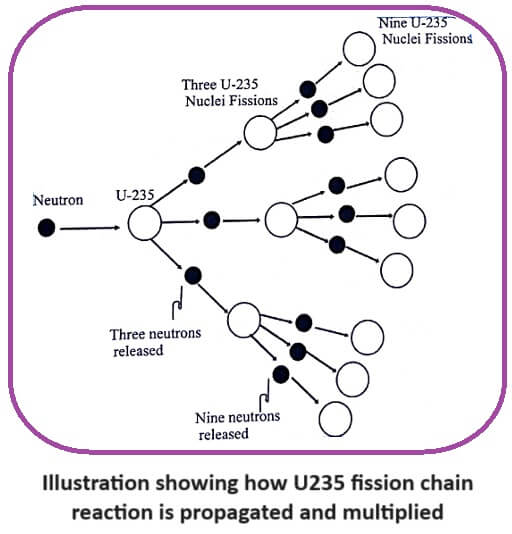
Nuclear chain reaction is defined as a fission reaction where the neutrons from a previous step continue to propagate and repeat the reaction. We know that U235 when bombarded hit…
In a nuclear fusion two light-weight nuclei combine or fuse to form a single heavy nucleus., with the simultaneous release of large amount of energy. For example, two…
In many cases corrosion can be effectively controlled by changing or modifying the corrosive environment by: The corrosion nature is reduced by modifying the environment: the removal of…
The rate and extent of corrosion depends on: Nature of the environment Nature of the metal. S.No Environment based factors Metal based factors 1 Temperature. Position of metal…
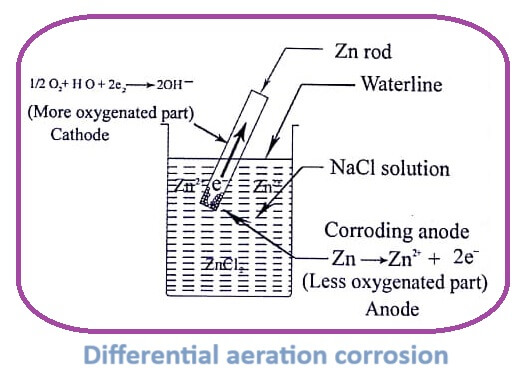
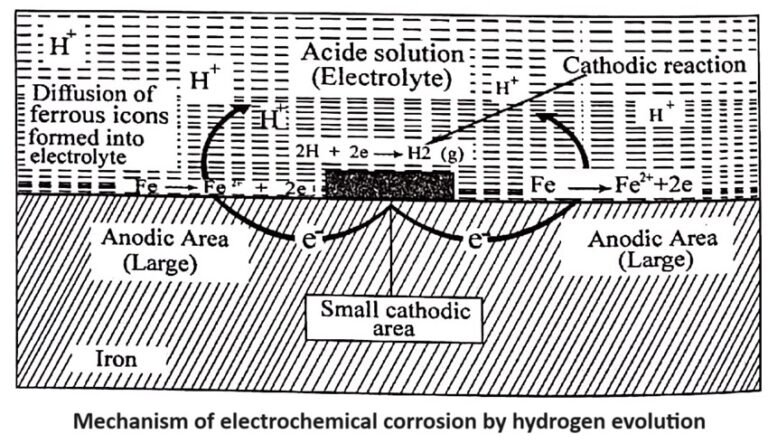
There are two types of electrochemical Corrosion: Galvanic corrosion Differential aeration or Concentration cell corrosion Galvanic corrosion When two dissimilar metals are in contact with each other on…
Based on the corrosion of metals in the nature of the environment it is classified into two types: Dry or chemical corrosion. Wet or electrochemical corrosion. S.No Dry…
Chemistry of Corrosion Most of the metals (except noble metals like gold, platinum etc.) exist in nature as ores (metallic oxide, sulphide, carbonate, silicate etc.). By metallurgical operations,…
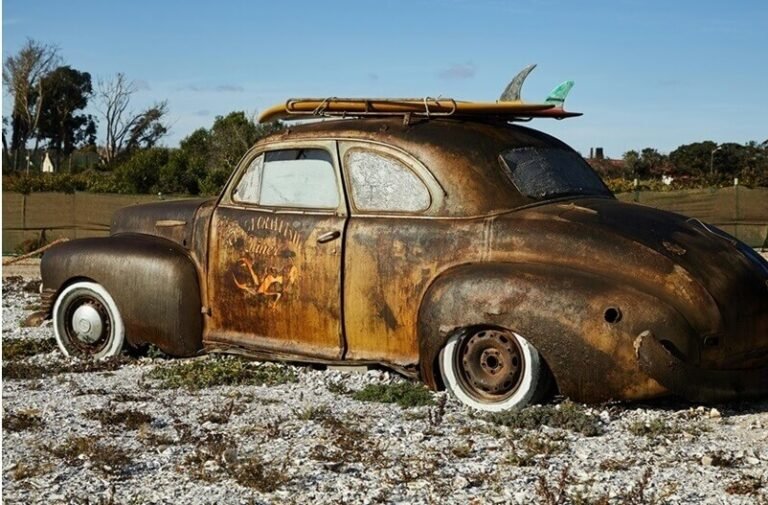
The following are some examples for corrosion that we experience in our day to day life. (i) Rusting of iron : Iron exposed to the environment forms a…