The smartphone world has never stood still. From simple touchscreen phones to foldable devices that transform into mini-tablets, innovation keeps pushing boundaries. Now, a new concept is grabbing global attention — the Samsung Galaxy Z Roll 5G 2026. Imagine carrying a phone in your pocket that expands into a tablet with a simple swipe or button press. That’s the promise behind rollable smartphone technology.
Samsung has been leading the foldable revolution for several years, releasing devices like the Galaxy Z Fold and Flip series. But the next chapter could be even more futuristic. Instead of folding screens with hinges, rollable phones use flexible displays that expand outward from the device body. According to recent reports and leaks, Samsung may introduce a rollable smartphone with a screen that expands to around 12.4 inches, offering tablet-level viewing in a pocket-sized device.
If these rumors become reality, the Samsung Galaxy Z Roll 5G 2026 could change how we interact with mobile devices. From gaming and productivity to entertainment and multitasking, this new design might redefine what a smartphone can do. Let’s explore everything currently known about this highly anticipated device.
What Is the Samsung Galaxy Z Roll 5G 2026?
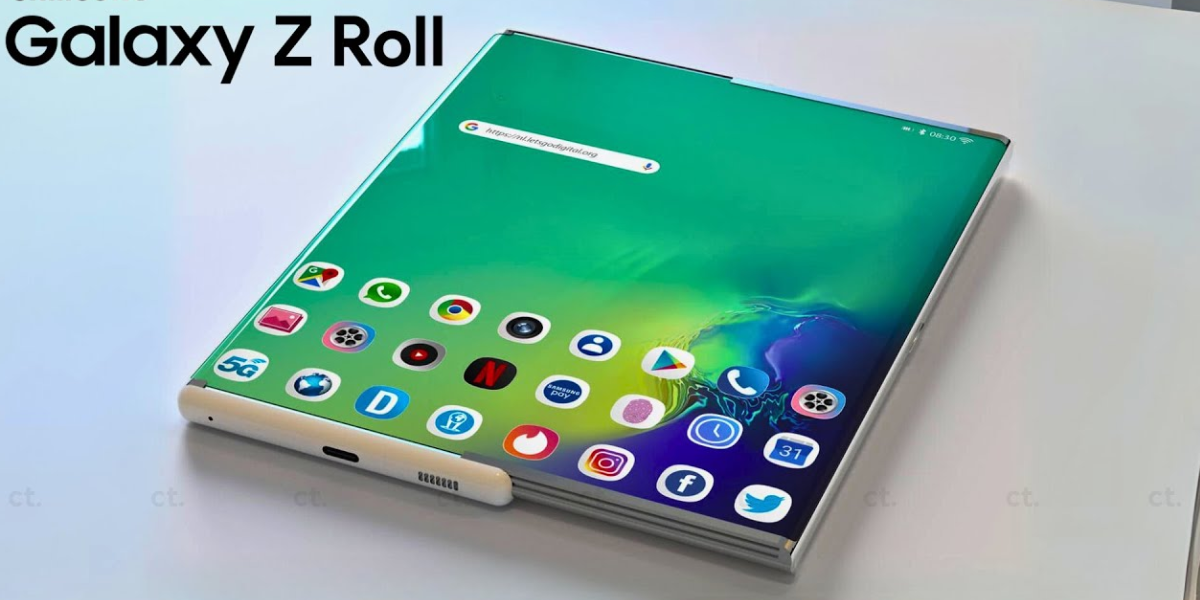
The Samsung Galaxy Z Roll 5G 2026 is a rumored next-generation smartphone featuring a rollable OLED display that expands from a standard phone size into a tablet-like screen. Instead of folding along a hinge, the flexible display rolls out using a motorized mechanism hidden inside the phone’s chassis.
This concept addresses some of the biggest limitations of foldable phones. Foldables often have visible creases where the screen bends, and the devices become thick when folded. Rollable displays solve both problems by keeping the screen flat and extending it only when needed. Imagine a phone that behaves like a compact device during daily use but expands into a larger display when you want to watch movies, play games, or work on documents.
Leaks suggest the device may start as a 6.5-inch smartphone display and expand to a massive 12.4-inch screen when rolled out. That transformation could deliver a seamless experience similar to carrying both a smartphone and a tablet in one device.
The idea isn’t entirely new. Samsung has showcased rollable display prototypes at technology events over the years. However, turning those prototypes into a consumer product is a much bigger challenge. Engineering durability, battery efficiency, and software optimization for a moving display requires years of development. The Galaxy Z Roll 5G could be the result of that long journey.
Background of Samsung’s Foldable and Rollable Technology
Samsung’s reputation for smartphone innovation didn’t appear overnight. Over the last decade, the company invested heavily in flexible OLED technology. This investment led to groundbreaking products like the Galaxy Z Fold series and Galaxy Z Flip devices, which popularized foldable smartphones worldwide.
Foldables already allow users to carry larger displays in their pockets, but they still have mechanical hinges and screen creases. Engineers and designers have been searching for a better solution — something smoother, thinner, and more elegant. That’s where rollable displays come in.
Rollable technology works by wrapping a flexible OLED panel around an internal spool or axis inside the phone. When activated, motors slide the display outward, revealing hidden screen space. Because the screen curves gradually instead of folding sharply, the stress on the display is reduced.
Samsung’s research into flexible displays dates back more than a decade. The company has showcased rollable TV screens and prototype smartphones at technology events, hinting at a future where devices can change size depending on how you use them.
With competitors entering the foldable market, Samsung may push the next wave of innovation through rollable phones. The Samsung Galaxy Z Roll 5G 2026 could be the device that brings this futuristic concept into mainstream technology.
Why Rollable Phones Are the Next Big Innovation
Think about how people use smartphones today. Sometimes you want a small device for messaging and calls. Other times, you want a bigger display for movies, gaming, or productivity. Rollable phones aim to solve this problem by offering a single device that adapts to your needs.
Unlike foldables, rollable devices expand smoothly without creating a visible crease. That means the display remains flat and uninterrupted, which is ideal for watching videos or editing photos. The experience feels closer to using a tablet than a folded phone.
Another major advantage is portability. Foldable phones often become thick and bulky when folded. Rollable phones remain slim because the screen simply retracts into the body. That design could make them easier to carry while still providing large displays when required.
Rollable phones also open the door to creative new software experiences. Apps could dynamically resize when the screen expands. Multitasking features might allow users to run several apps side by side on the larger display.
If manufacturers succeed in perfecting this technology, rollable devices could become the next big leap in smartphone evolution.
Latest News About Samsung Galaxy Z Roll 5G 2026
The Samsung Galaxy Z Roll 5G 2026 has been generating buzz across tech forums and news websites. While Samsung hasn’t officially confirmed the device yet, leaks and concept videos have sparked excitement among tech enthusiasts worldwide.
Reports indicate that Samsung is actively exploring rollable smartphone designs, with potential plans to introduce one in the second half of 2026. This timeline aligns with Samsung’s typical release schedule for experimental or premium devices.
At the same time, the smartphone industry is evolving rapidly. Samsung continues to experiment with new form factors such as tri-fold devices and improved foldables. News from recent tech events shows the company pushing display innovation forward, demonstrating stronger and more durable flexible screens.
These developments suggest that Samsung is laying the groundwork for even more advanced devices in the future — possibly including the Galaxy Z Roll.
Recent Leaks and Concept Designs
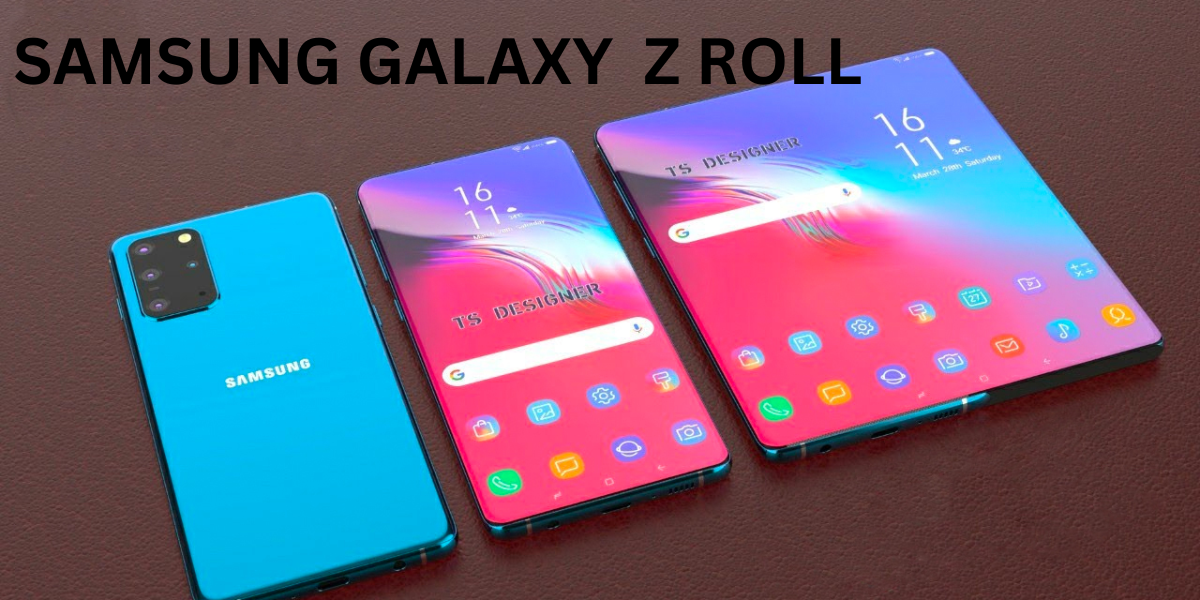
Online concept images and leaked specifications give us a glimpse of what the Samsung Galaxy Z Roll 5G 2026 might look like. These concepts typically show a sleek smartphone with a hidden display extension mechanism.
According to some reports, the device could feature:
- A rollable AMOLED display expanding up to 12.4 inches
- A 144Hz refresh rate
- Peak brightness around 3000 nits
- Titanium frame construction
- S Pen support for productivity tasks
Although these features are not officially confirmed, they paint a picture of a premium device aimed at power users and early adopters. Samsung often introduces experimental technologies first in high-end models before making them widely available.
Concept designs also highlight how the phone might transform from a compact device into a tablet-like workspace. This flexibility could make it ideal for gaming, streaming, productivity, and even creative work such as digital drawing.
Expected Launch Timeline
Rumors suggest that Samsung could unveil the Galaxy Z Roll 5G sometime in late 2026, potentially alongside future foldable devices like the Galaxy Z Fold and Flip series.
This timeline makes sense from a technological perspective. Rollable displays require extensive testing to ensure durability and reliability. The motors, flexible panels, and internal components must withstand thousands of expansions without failing.
Samsung may initially release the device in limited markets as a premium experimental product. Over time, the technology could become more affordable and appear in mainstream smartphones.
If the company successfully launches a rollable phone, it could mark one of the biggest smartphone innovations since the first foldable devices.
Design and Display Technology
The design of the Samsung Galaxy Z Roll 5G 2026 is expected to revolve around its most important feature — the rollable display. Instead of folding like a book, the screen remains hidden inside the phone until needed.
When activated, the display slides outward, increasing the screen size dramatically. This mechanism allows the device to maintain a slim profile while offering a much larger display when required.
Flexible OLED technology makes this possible. These screens can bend and curve without breaking, allowing them to roll smoothly around internal components. Samsung Display has been developing this technology for years, making it one of the few companies capable of building such a device.
The overall design could also include a titanium frame, ultra-thin glass protection, and advanced durability features to protect the delicate display.
Rollable Screen Mechanism Explained
At the heart of the Samsung Galaxy Z Roll 5G is a motorized rolling mechanism. Instead of bending sharply like foldables, the screen wraps around an internal axis inside the phone.
When you trigger the expansion — through a gesture or button — the device extends outward and reveals additional display area. The process happens smoothly, almost like unrolling a scroll.
This design offers several advantages:
- No visible crease in the middle of the screen
- Thinner device profile compared to foldables
- More flexible screen sizes depending on usage
Because the screen curves gradually rather than folding sharply, the stress on the display is distributed more evenly.
Advantages Over Foldable Displays
Rollable screens solve several problems that foldable phones still face. Foldables rely on hinges and sharp bends, which can create creases or durability concerns over time. Rollable displays eliminate the hinge entirely.
That means a cleaner visual experience and potentially longer display lifespan. Users could enjoy a seamless, tablet-like screen without the visible fold line.
Rumored Specifications of Samsung Galaxy Z Roll 5G 2026
Below is a summary of rumored specifications based on current leaks.
| Feature | Expected Specification |
| Display | Rollable OLED expanding up to 12.4 inches |
| Refresh Rate | Up to 144Hz |
| Processor | Snapdragon flagship chip or Exynos equivalent |
| Camera | Up to 324MP main camera (rumored) |
| Battery | Around 8000mAh |
| Connectivity | 5G, Wi-Fi 7, Bluetooth |
| Frame | Titanium body |
Some reports even suggest an advanced under-display camera, allowing the screen to remain uninterrupted by notches or punch holes.
Processor and Performance
Performance is expected to be flagship-level. The device may feature one of the most powerful processors available in 2026, possibly the Snapdragon 8 Elite Gen series or Samsung’s Exynos 2600 chip.
Such processors would support advanced AI features, high-performance gaming, and smooth multitasking on the expanded display.
Camera Technology
Camera rumors surrounding the Samsung Galaxy Z Roll 5G are equally impressive. Some leaks suggest a camera system capable of exceeding 300 megapixels, combined with AI-powered image processing.
While this number may change before launch, Samsung has consistently pushed camera technology forward in its flagship devices.
Battery and Charging
A rollable screen requires more power, so the device could feature a large battery around 8000mAh to maintain all-day usage.
Fast charging, wireless charging, and reverse charging are likely to be included as well.
Software and AI Features
Software plays a huge role in making rollable phones practical. Apps must adapt to changing screen sizes instantly.
Samsung’s One UI interface will likely support dynamic layouts that automatically adjust when the screen expands or retracts.
AI features could also enhance productivity by recommending multitasking layouts or automatically resizing apps.
Expected Price and Availability
Innovative technology rarely comes cheap. Early rumors suggest the Samsung Galaxy Z Roll 5G could start around $2,500 to $2,800, placing it in the ultra-premium smartphone category.
This price reflects the complexity of the rollable display technology and the limited production expected in early releases.
Comparison With Foldable Phones
Rollable vs Foldable Smartphones
| Feature | Rollable Phone | Foldable Phone |
| Screen Expansion | Rolls outward | Folds with hinge |
| Screen Crease | None | Visible crease |
| Thickness | Slim | Thicker when folded |
| Durability | Still experimental | More mature technology |
Rollable devices could eventually replace foldables if the technology proves reliable.
Potential Impact on the Smartphone Industry
If the Samsung Galaxy Z Roll 5G 2026 becomes a reality, it could reshape the smartphone market. Manufacturers may start investing heavily in rollable displays, just as they did with foldables.
Consumers might also rethink the need for tablets. A phone that expands into a 12-inch screen could handle both tasks.
Pros and Possible Challenges
Pros:
- Large expandable display
- No screen crease
- Innovative design
- Powerful hardware
Challenges:
- High price
- Durability concerns
- Limited availability at launch
Conclusion
The Samsung Galaxy Z Roll 5G 2026 represents one of the most exciting concepts in modern smartphone design. By combining portability with a large expandable display, it could redefine what a mobile device can do.
While the phone is still based largely on leaks and speculation, the technology behind rollable displays is real and rapidly evolving. If Samsung successfully launches such a device, it may mark the beginning of a new era in smartphone innovation — one where your phone can literally change size depending on how you use it.
The world is watching closely to see whether Samsung will turn this futuristic concept into reality.
Read also : MACBOOK NEO 2026 Budget Apple Laptop