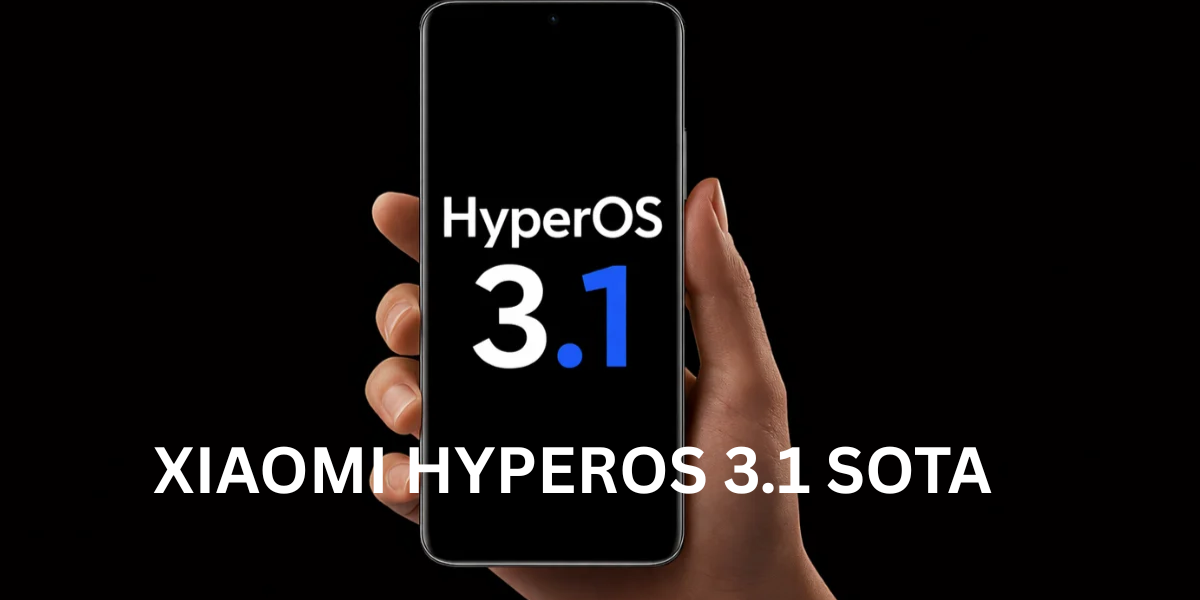
HyperOS 3.1 is the next major iteration of Xiaomi’s custom Android-based operating system, built on Android 16 and rolling out around early 2026. This version isn’t just a visual or performance polish — it introduces a whole new update architecture aimed at improving user experience.
Understanding SOTA (Super-OTA) Technology
What Does SOTA Stand For?
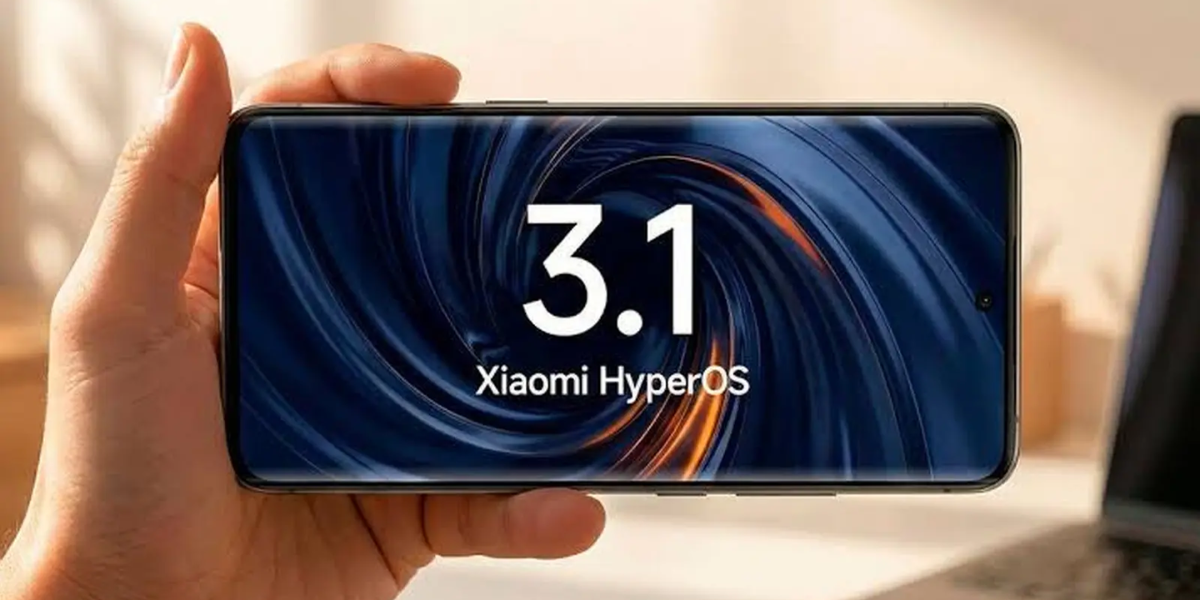
SOTA stands for Super Over-The-Air, Xiaomi’s branding for an advanced update system that delivers software patches in smarter, lighter bundles.
Why It Matters for Users
Instead of downloading large files and forcing a reboot, SOTA packages let Xiaomi devices download and install updates quietly in the background — just like app updates.
How SOTA Changes System Updates Forever
Traditional OTA vs Super-OTA
Traditionally, an OTA update would require shutting down your phone and waiting through a lengthy installation process. SOTA reimagines this entire concept by enabling patch bundles that combine system software and core app fixes into a single chunk.
No More Reboots
One of the most exciting parts of SOTA is that many minor updates will no longer require a device reboot, saving users time and interruptions.
Background Installation Explained
SOTA’s smart packaging means updates can install while you continue using your phone — whether you’re texting, gaming, or watching videos.
Release Timeline of HyperOS 3.1 SOTA
The rollout of HyperOS 3.1 — including Super-OTA features — began in China in February 2026 and is expanding internationally in early 2026, with flagship devices like the Xiaomi 15 series among the first to receive it.
Global vs Regional Rollout Plans
HyperOS 3.1 has already seeded beta builds in China. Broader global or EEA releases are expected shortly after completion of staged regional rollouts.
Key Features of HyperOS 3.1
Beyond SOTA, this update introduces:
- Enhanced Super Island UI
- Faster, smoother animations
- New system apps and ecosystem upgrades
- Stronger privacy controls and smarter AI features
UI and Performance Enhancements
Users report refined UI components, better multitasking performance, and optimizations that make navigation feel zippier than earlier HyperOS versions.
Device Eligibility and Update List
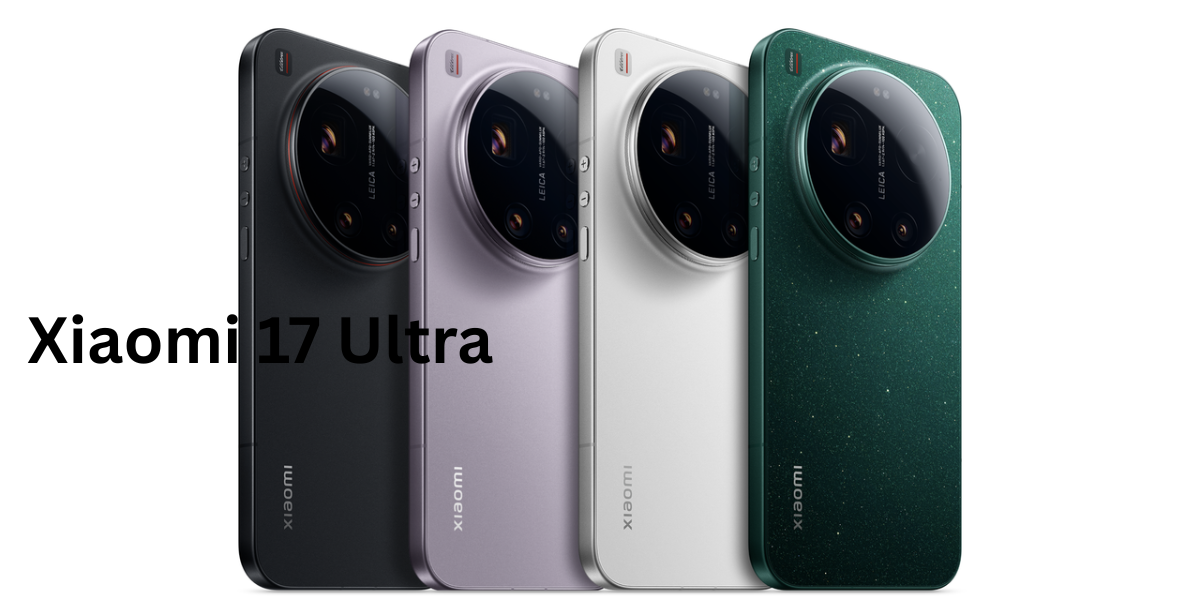
Devices like the Xiaomi 15 series, Redmi K80 Pro, and Xiaomi 14 Ultra are among those already confirmed to receive HyperOS 3.1 beta or stable builds.
Devices Left Out of HyperOS 3.1
Some popular models — including various Xiaomi 12 series phones and several POCO models — won’t get the HyperOS 3.1 update due to hardware and Android 16 support requirements.
Benefits for Everyday Users
The biggest practical advantages are:
- Less downtime
- Fewer interruptions
- Faster bug fixes
- Smaller update downloads
All while maintaining system stability and security.
Comparisons: SOTA vs Standard Updates
| Feature | Standard OTA | Super-OTA (SOTA) |
| Reboot Required | Often | Only for Major Changes |
| Update Size | Large | Smaller Efficient Bundles |
| User Interruption | High | Low |
| Flexibility | Limited | High |
Conclusion
Xiaomi HyperOS 3.1 SOTA 2026 combines clever engineering, smoother rollout experiences, and user-centric design to redefine how updates work. Whether you’re a tech enthusiast or casual smartphone user, Super-OTA means fewer waits, fewer reboots, and a more seamless experience overall.
Read also : Samsung Galaxy S26 Ultra 2026