


Scanning Electron Microscopy (SEM) – Pedagogy Zone
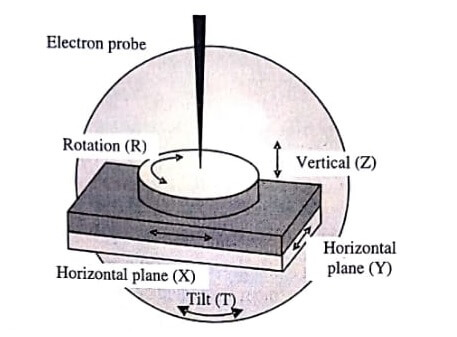
Scanning electron microscopy utilises electron beam for producing high-resolution images of sample surfaces. It forms 3-D view of the sample. It also gives the surface topography of the…
How to Edit Statistics in Minecraft Java?
SAT vs ACT: Which Test Should You Take? A Plain-English Guide
Difficult Projectile Motion Problems with Solutions
Chromebook vs Windows Laptop for College: Which One Should You Buy?
BCECE Senior Resident/ Tutor Provisional List 2026 Released: Latest Updates, Eligibility Status, and Next Steps
Scanning electron microscopy utilises electron beam for producing high-resolution images of sample surfaces. It forms 3-D view of the sample. It also gives the surface topography of the…
The term growth in microbiology indicates the magnitude of total population. Microbial growth measurement is essential for: Determining the growth and reproduction rate, Determining the suitability of water,…
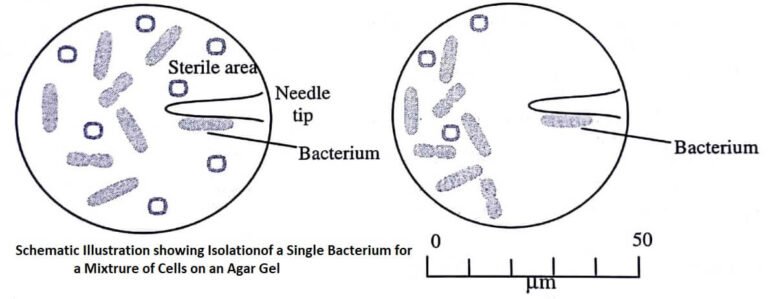
In this method, an individual desired cell is picked up from the mixed culture and allowed to grow. For this purpose following two methods are used: Capillary Pipette…
Culture is a procedure during which microorganisms are cultivated in a medium; if a culture has the population of a single type of microorganism; it is known as…
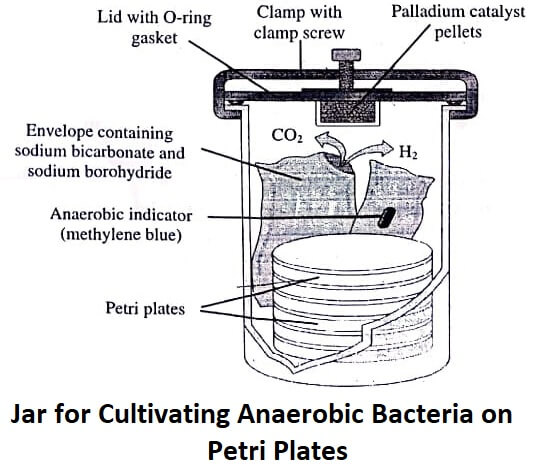
To cultivate a specific microbe, following methods are used : Methods of Culturing Aerobic Bacteria : An atmosphere having oxygen in ample amount facilitates the growth of aerobic…
On the basis of morphology, bacteria are classified into the following three forms: Spherical : These are coccus bacteria which are spherical in shape. The word coccus originated…
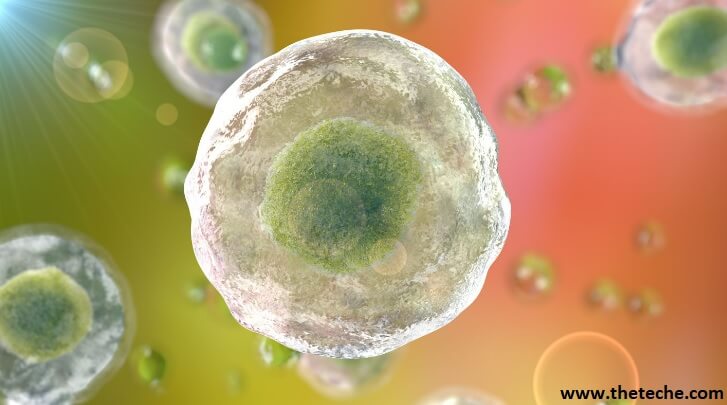
Structure enclosed by the cell membrane is known as cytoplasm, which is aqueous, semitransparent, elastic, and thick. Cytoplasm consists of 80% water and remaining 20% include proteins (enzymes), carbohydrates, lipids, inorganic…
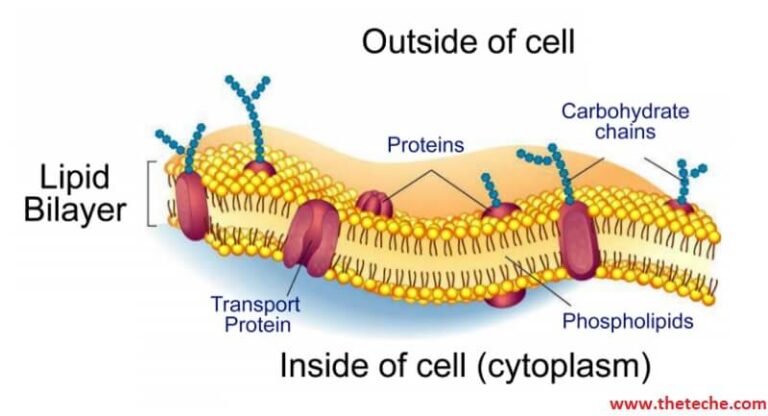
Immediately below the cell wall, plasma membrane is present which is also known as cytoplasmic membrane, inner membrane, or cell membrane. In prokaryotes, plasma membrane thickness is about…
Gram-Positive Bacterial Cell Wall Cell wall of gram-positive bacteria (figure), is approximately 80nm thick having several layers of peptidoglycan. Peptidoglycan : It contributes to 50−90% of the dry weight…
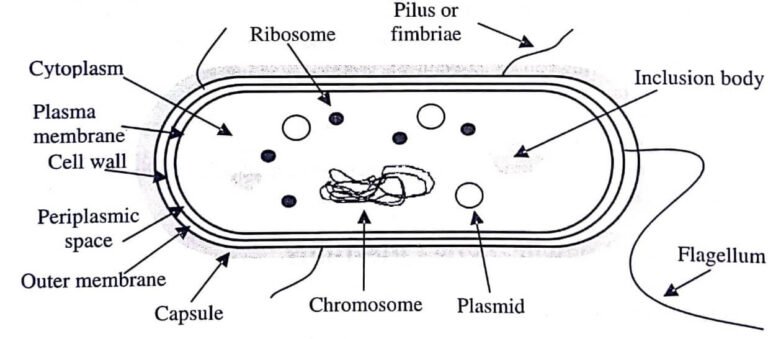
Despite of being the most primitive and simplest microorganism, bacteria have well developed cell structures which possess many unique biological properties. Bacteria differ from archae bacteria and other…