Electrical
Repulsion Motor Types and Characteristics
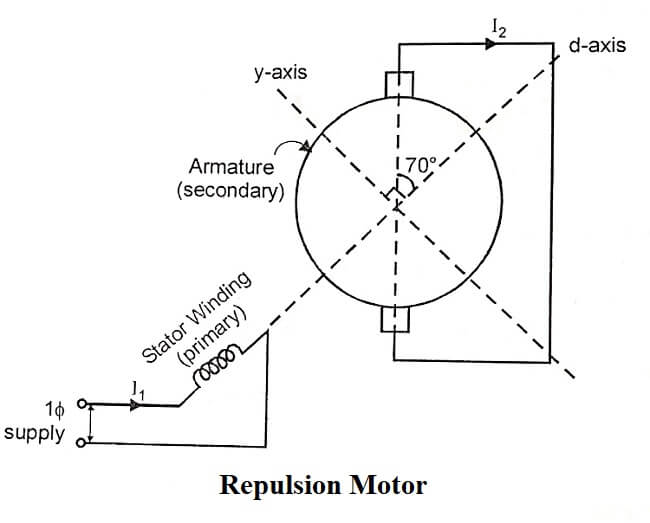
Repulsion motor are similar to series motors except that the rotor and the stator windings are inductively coupled, the rotor current is obtained by transformer action from the…
 How to Edit Statistics in Minecraft Java?
 SAT vs ACT: Which Test Should You Take? A Plain-English Guide
 Difficult Projectile Motion Problems with Solutions
 BCECE Senior Resident/ Tutor Provisional List 2026 Released: Latest Updates, Eligibility Status, and Next Steps
 Top 10 Study Tips for Students in 2025 – Study Smarter, Not Harder
How to Edit Statistics in Minecraft Java?
SAT vs ACT: Which Test Should You Take? A Plain-English Guide
Difficult Projectile Motion Problems with Solutions
BCECE Senior Resident/ Tutor Provisional List 2026 Released: Latest Updates, Eligibility Status, and Next Steps
Top 10 Study Tips for Students in 2025 – Study Smarter, Not Harder
Repulsion motor are similar to series motors except that the rotor and the stator windings are inductively coupled, the rotor current is obtained by transformer action from the…
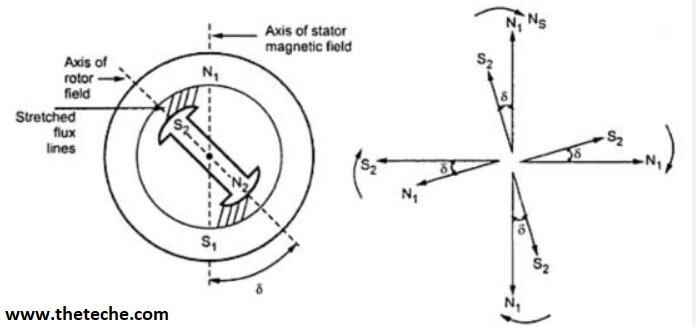
If the excitation of a synchronous motor is kept constant, the load current changes with the variation of load. If the load is kept constant and field excitation…
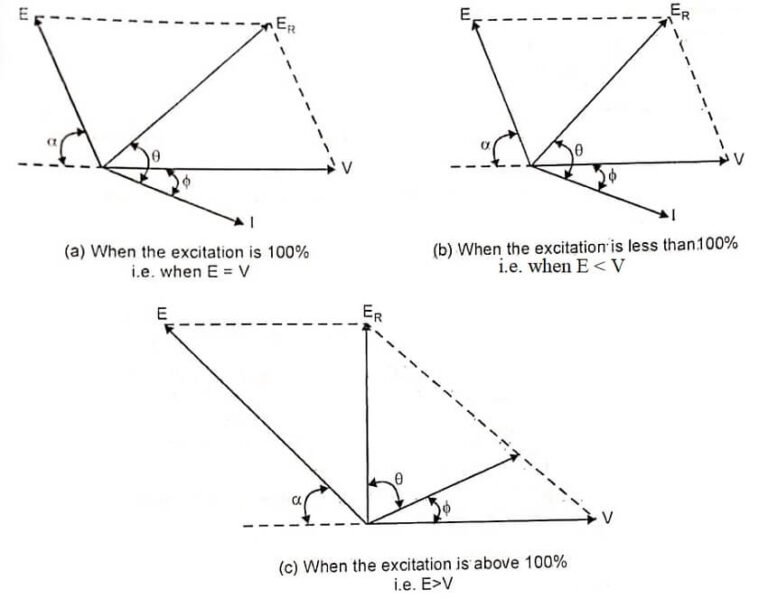
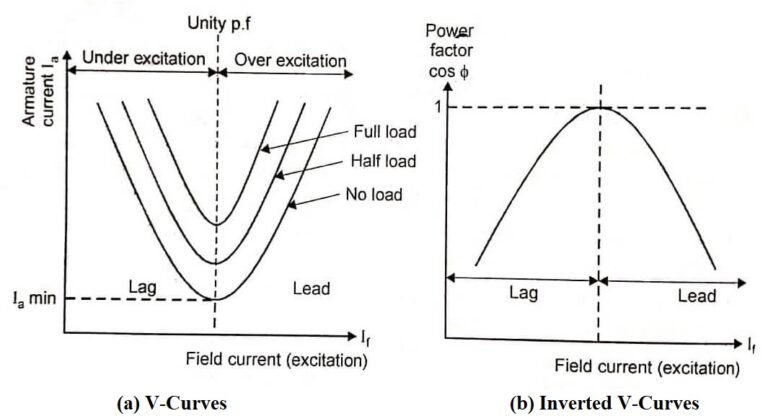
When the excitation of a three phase synchronous motor taking constant power P from constant voltage supply main is varied, the power factor of the motor changes. The…
Various methods of starting of synchronous motors are described as follows: From DC Source When dc supply and dc compound motor are available, the synchronous motor is coupled…
The four various types of torque associated with a synchronous motor are described below. Four types of torque are, Starting torque It indicates the ability of the motor…
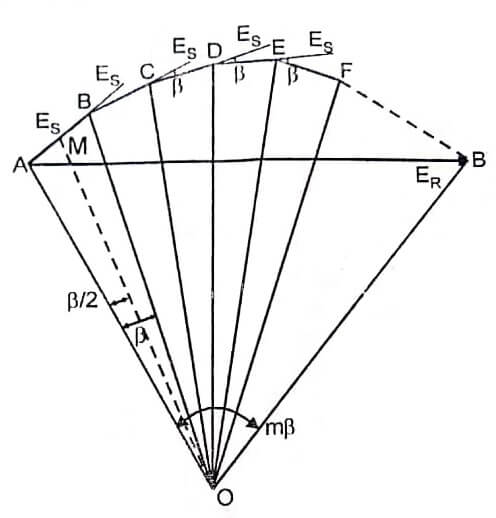
The armature winding of an alternator is distributed over the entire armature. The distributed winding produces nearly a sine waveform and heating is more uniform. Likewise, the coils…
The frequency of induced e.m.f in the armature conductors depends upon speed and the number of poles. Let, N = rotor speed in r.p.m P = number of…
An alternator has 3 phase winding on the stator and D.C field winding on the rotor. Stator It is the stationary part of the machine and is built…
The machine which produces 3 phase power from mechanical power is called an alternator or synchronous generator. An alternator works on the same fundamental principle of electromagnetic induction…
The stator winding of a single phase induction motor is connected to single phase AC supply. Then a magnetic field is developed in the stator whose axis is…