December 2020

Radiographic Inspection

Radiographic Inspection Advantages and Limitation

Radiographic Inspection Radiography (X-ray) is an NDT method used to radiographic inspection material and components using the concept of differential adsorption of penetrating radiation. Each specimen under evaluation will have differences in density, thickness, shapes, sizes or absorption characteristics. Thus, the different amount of radiation is absorbed. The unabsorbed radiation that passes through the part

Radiographic Inspection Advantages and Limitation Read More »

Liquid Penetrant Inspection

Liquid Penetrant Inspection or Dye Penetrant Inspection

Liquid Penetrant Inspection Liquid penetrant inspection is used on nonporous metal and nonmetal components to find material discontinuities that are open to the surface and may not be evident to normal visual inspection. The dye penetrant method is frequently used for the detection of surface breaking flaws in non-ferromagnetic materials. The basic purpose of penetrant

Liquid Penetrant Inspection or Dye Penetrant Inspection Read More »

Radio over fiber

Radio Over Fiber Links – Optical Fiber Communications

Radio over Fiber Links One application of RF radio over fiber technology is in broadband wireless access networks for interconnecting antenna base stations (BSs) with the central controlling office. Image shows the basic network architecture for such a scheme. Here a collection of antenna base stations provide wireless connectivity to subscribers by means of millimeter-wave

Radio Over Fiber Links – Optical Fiber Communications Read More »

Analog Link

Analog Link in Optical Communication

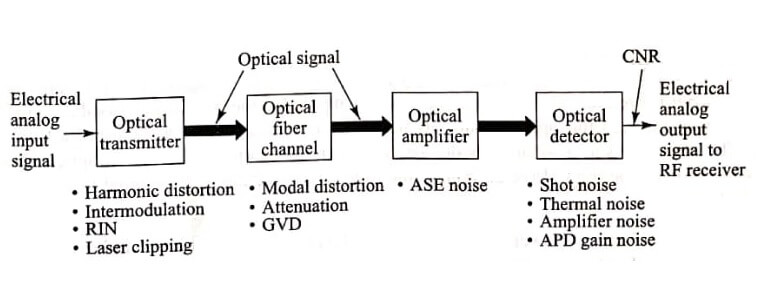
Analog Link In telecommunication networks the trend has been to analog link telephone exchanges with digital circuits. A major reason for this was the introduction of digital integrated-circuit technology which offered a reliable and economic method of transmitting both voice and data signals. Since the initial applications of fiber optics were to telecommunication networks, its

Analog Link in Optical Communication Read More »

Methods of Voltage Control

Methods of Voltage Control in Power System

Methods of Voltage Control Methods Voltage control level is accomplished by controlling the generation, absorption and reactive power flow at all levels in the system. The following are the methods of voltage control. By excitation control. By static shunt capacitors. By static series capacitors. By static shunt reactors. By synchronous condensers. Other methods for voltage

Methods of Voltage Control in Power System Read More »

Nondestructive Testing

Nondestructive Testing of Weldment (NDT)

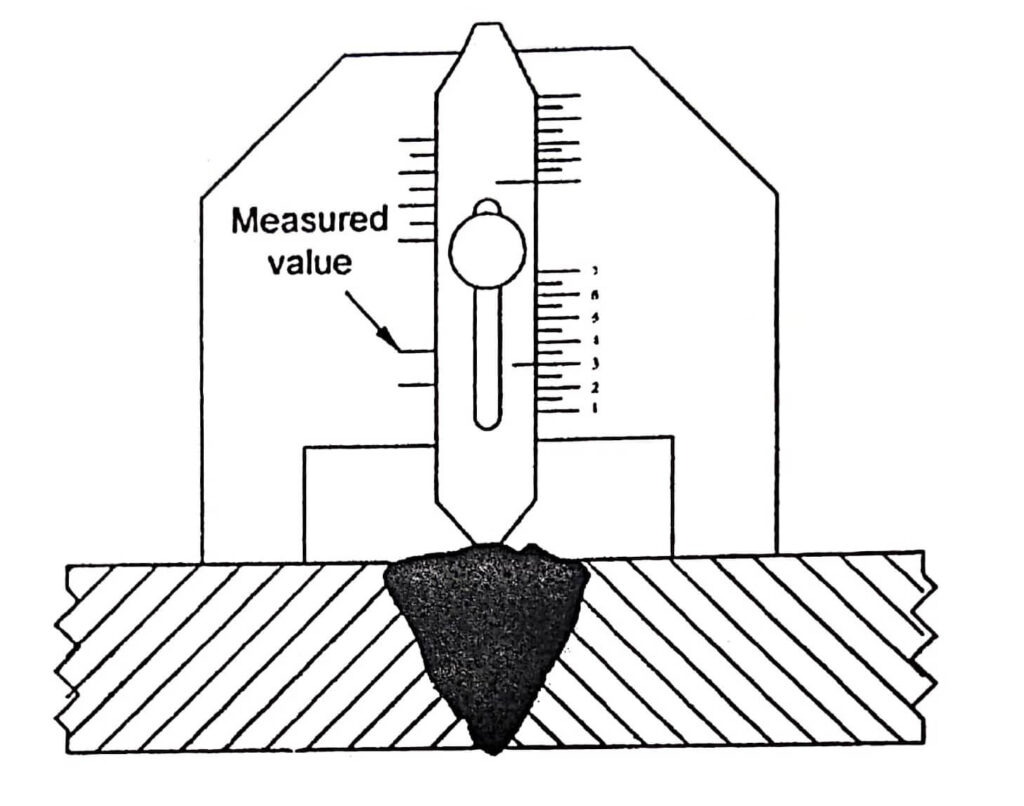
Nondestructive testing (NDT) is the examination of an object or material with technology that does not affect its future usefulness. It is an approach to testing that involves in evaluating the weld without causing physical damage. The terms Nondestructive examination (NDE), Nondestructive inspection (NDI), and Nondestructive evaluation (NDE) are also commonly used to describe this

Nondestructive Testing of Weldment (NDT) Read More »