Santhakumar Raja

I am the founder of Pedagogy Zone, a dedicated education platform that provides reliable and up-to-date information on academic trends, learning resources, and educational developments.

Electrochemical Etching Stencils

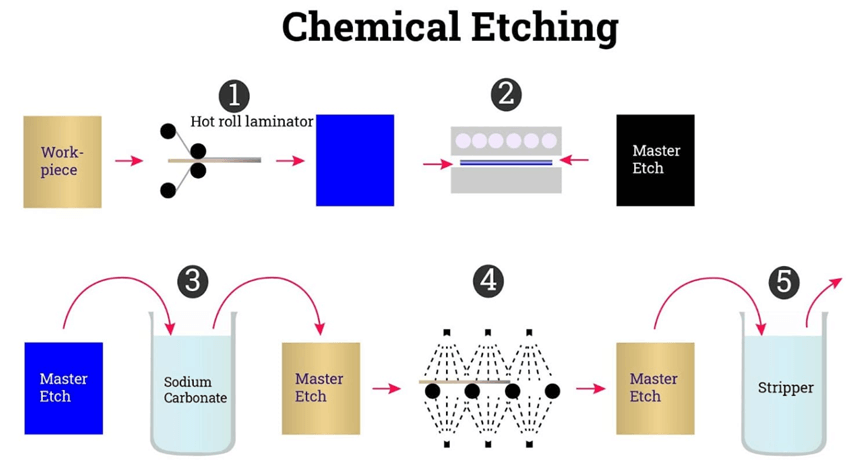
How to Make Electrochemical Etching Stencils

Creating electrochemical etching stencils is a crucial step in marking metal objects with logos, serial numbers, or other identifiers. These stencils guide the etching process, where electricity and electrolyte solutions remove metal selectively to create permanent marks. This blog post will cover how to make high-quality, durable stencils for electrochemical etching. Step-by-Step Guide to Making

How to Make Electrochemical Etching Stencils Read More »

Virtual Lab Electrochemical Cells

The Future of Learning Virtual Lab Electrochemical Cells

The world of education is evolving, and with it, the methods we use to teach complex subjects like chemistry are changing. The traditional lab experience is giving way to innovative digital approaches, and virtual labs are at the forefront of this transformation. When it comes to understanding electrochemical cells—a fundamental topic in chemistry—virtual labs provide

The Future of Learning Virtual Lab Electrochemical Cells Read More »

free 3d model electrochemical

How Free 3D Models are Transforming Electrochemical Simulations

Electrochemical simulations are a cornerstone of research in fields such as energy storage, fuel cells, and corrosion science. These simulations help scientists and engineers predict the behavior of electrochemical systems without the need for physical experiments, saving both time and resources. Traditionally, these simulations relied heavily on 2D models, which, while useful, often lacked the

How Free 3D Models are Transforming Electrochemical Simulations Read More »

Electrochemical Cell

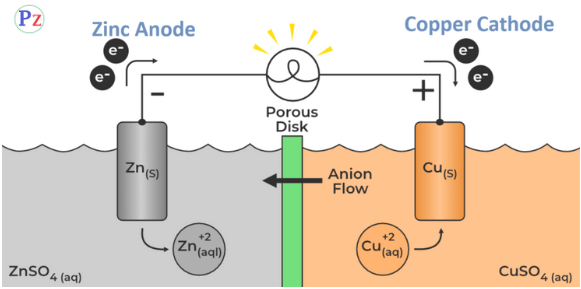
A Chemist Assembles the Following Electrochemical Cell

Electrochemical cells are a cornerstone of modern chemistry and physics. They are the devices that convert chemical energy into electrical energy, playing a crucial role in everything from batteries to large-scale industrial processes. But what happens when a chemist assembles an electrochemical cell? In this comprehensive guide, we will explore the assembly, components, working mechanism,

A Chemist Assembles the Following Electrochemical Cell Read More »

Nano Electrokinetic Assisted Paper Electrochemical Assay

Nano Electrokinetic Assisted Paper Electrochemical Assay

There has been a significant push towards developing portable, cost-effective, and highly sensitive diagnostic tools. One of the most promising technologies emerging in this field is the Nano Electrokinetic-Assisted Paper Electrochemical Assay. This innovative technique combines the principles of electrokinetic at the nanoscale with the simplicity of paper-based assays, revolutionizing the way we perform point-of-care

Nano Electrokinetic Assisted Paper Electrochemical Assay Read More »

Energy Management System

Energy Management System in Electrical Vehicles

An Energy Management System (EMS) in Electric Vehicles (EVs) is crucial for optimizing the use of energy stored in the battery to ensure maximum efficiency, range, performance, and longevity of the vehicle. An EMS in EVs involves several components and strategies designed to manage power flow, minimize energy loss, and maximize the overall vehicle performance.

Energy Management System in Electrical Vehicles Read More »

Energy Efficient Heat Pump Electrical for Pool

Energy Efficient Heat Pump Electrical for Pool

[sc_fs_faq html=”true” headline=”h2″ img=”” question=”How Do Heat Pumps Work?” img_alt=”” css_class=””] Heat pumps are innovative devices that transfer heat from one place to another rather than generating it directly. For pools, they draw in warm air from the environment, compress it to increase its temperature, and then transfer the heat to the pool water. This

Energy Efficient Heat Pump Electrical for Pool Read More »

Potential Energy into Mechanical Energy

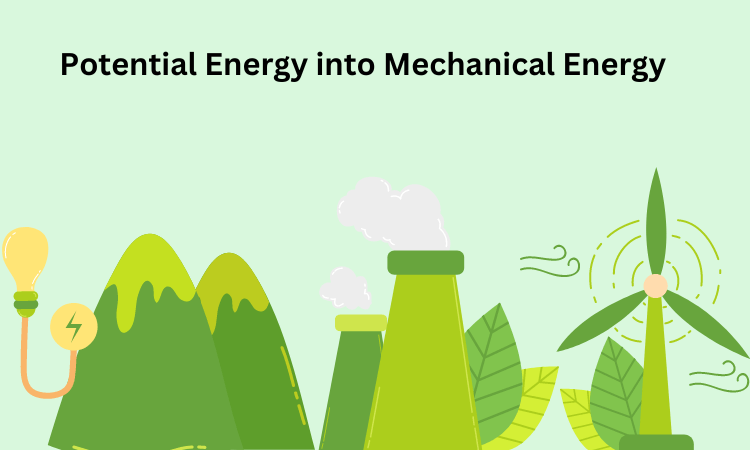
An Electric Motor Transforms Potential Energy into Mechanical Energy

Electric motors are everywhere—powering your household appliances, running industrial machines, and even propelling electric vehicles. But have you ever wondered how they work? At their core, electric motors are devices that transform potential energy into mechanical energy. This transformation is vital for converting electricity into the kinetic energy that drives motion. In this article, we’ll

An Electric Motor Transforms Potential Energy into Mechanical Energy Read More »

Generator Produce Electrical Energy

How Does a Generator Produce Electrical Energy

Generators are fascinating devices that play a crucial role in our everyday lives, providing electricity when we need it most. From powering homes during outages to supporting industries in remote areas, generators are indispensable. But how exactly do they work? Let’s dive into the science behind how a generator produces electrical energy. [sc_fs_faq html=”true” headline=”h2″

How Does a Generator Produce Electrical Energy Read More »

Mechanical Energy into Electrical Energy

What Device Turns Mechanical Energy into Electrical Energy

Have you ever wondered how we get electricity from wind or water? It’s like magic—but it’s all science! The process of turning mechanical energy into electrical energy is a fundamental principle that powers our modern world. From the wind turbines spinning on a hillside to the hydroelectric dams generating power from rushing rivers, the conversion

What Device Turns Mechanical Energy into Electrical Energy Read More »