Santhakumar Raja

I am the founder of Pedagogy Zone, a dedicated education platform that provides reliable and up-to-date information on academic trends, learning resources, and educational developments.

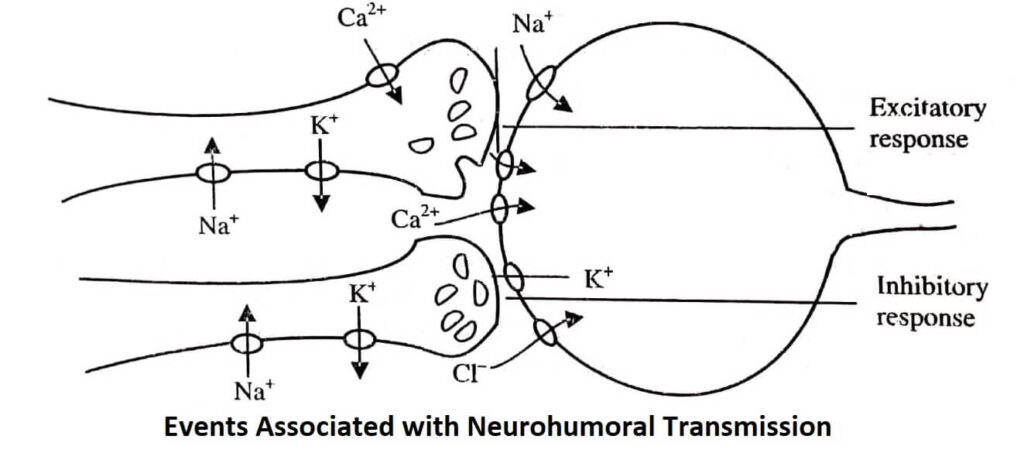
Events Associated with Neurohumoral Transmission

Steps in Neurohumoral Transmission – Pedagogy Zone

Neurohumoral transmission involves the following four steps (figure) Step 1: Initiation of an Action Potential and Axonal Conduction During resting conditions, the membrane potential inside a typical axon is −70mV with respect to exterior of axon. A high concentration of K+ and low levels of Na+ and Cl– (K+ 140mM, Na+ 10- 15mM ) within the cell cause this difference in

Steps in Neurohumoral Transmission – Pedagogy Zone Read More »
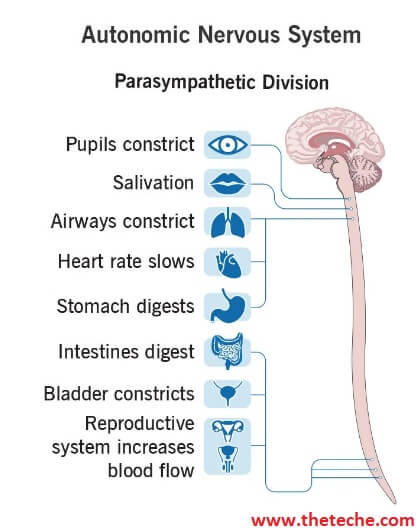
Difference Between Sympathetic and Parasympathetic Nervous System

Difference Between Sympathetic & Parasympathetic Nervous System

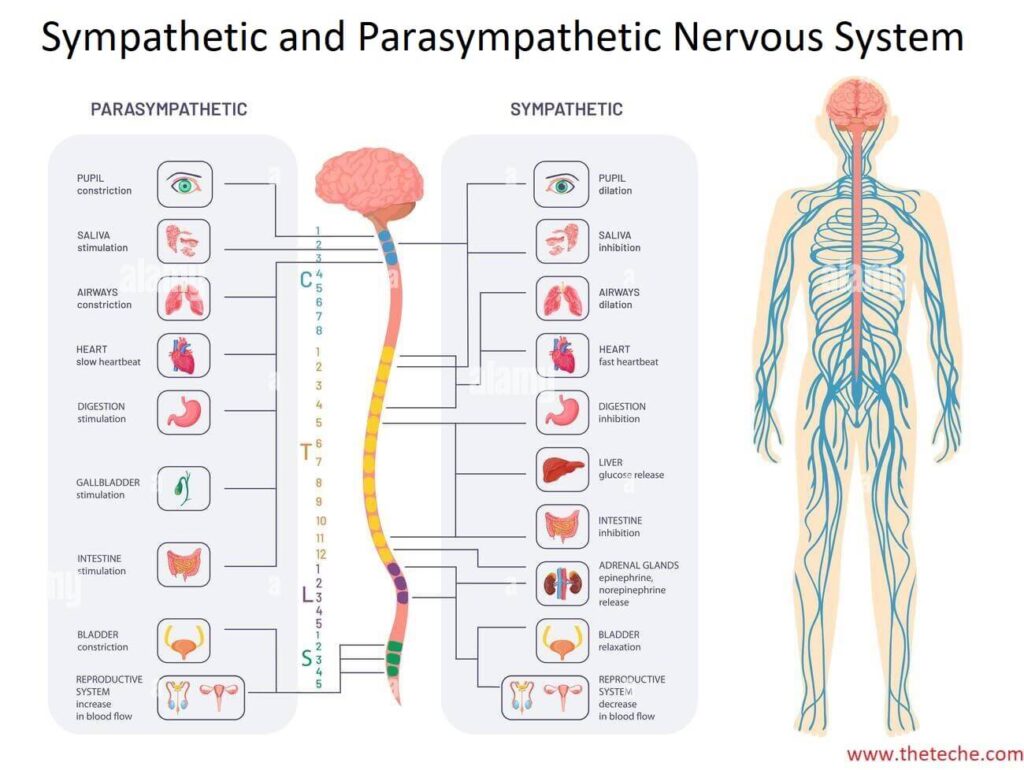
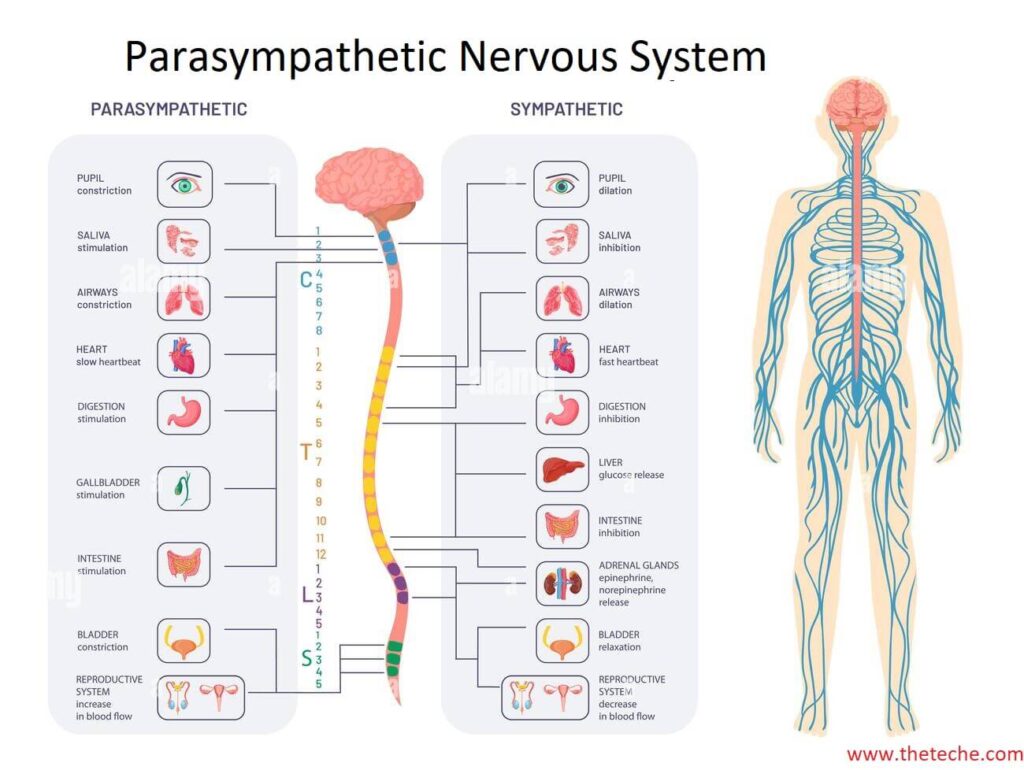
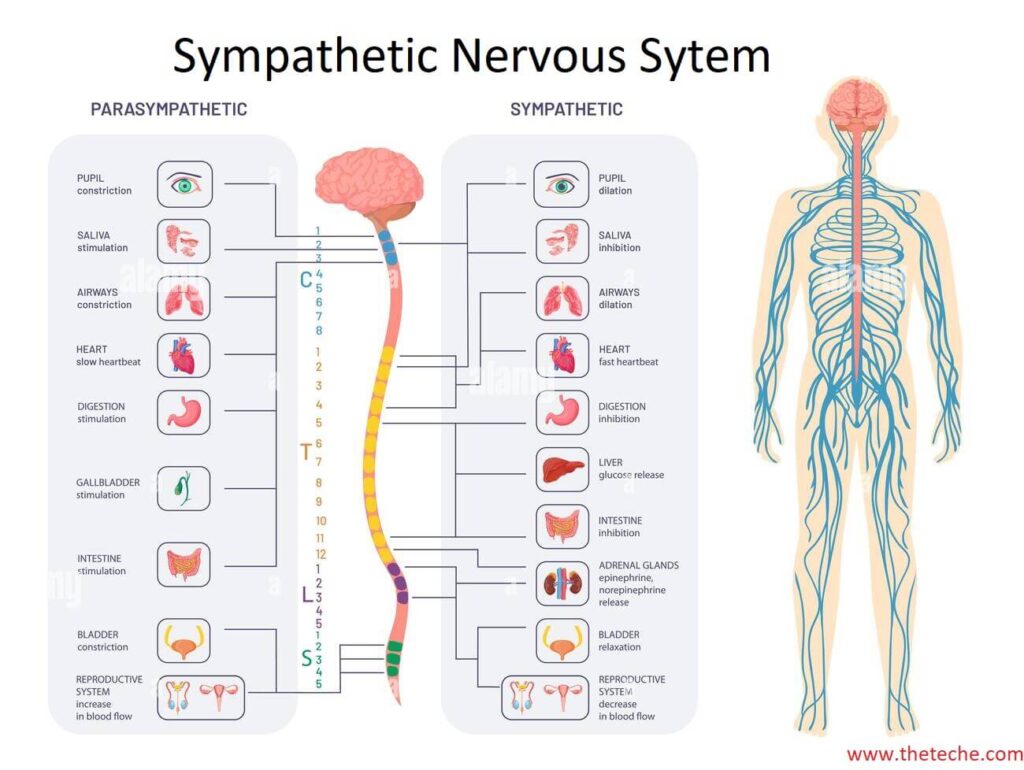
The differences between sympathetic and parasympathetic nervous system according to their origin, character and effect on respective organs are listed in table. Sympathetic Parasympathetic Origin From all thoracic and upper 3 lumbar segments. From cranial 3, 7, 9, 10 and sacral 2, 3, 4 segments. Character Short preganglionic and long post-ganglionic fibres. Long preganglionic and

Difference Between Sympathetic & Parasympathetic Nervous System Read More »

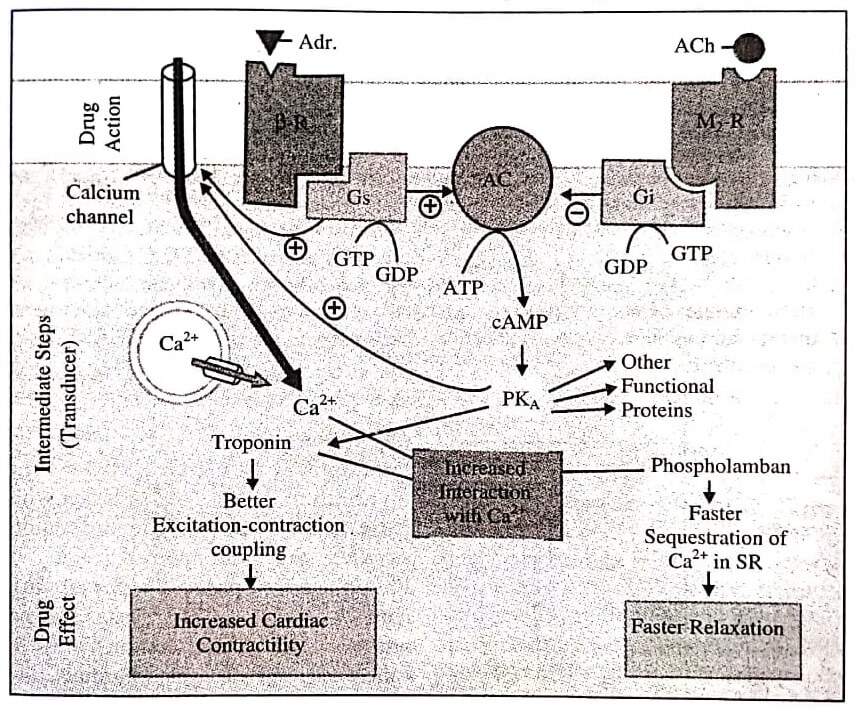
Action Effect Sequence of B Adrenergic Activation in Myocardial Cell

G-Protein Coupled Receptors

These receptors belong to a large family of cell membrane receptors. These receptors are bonded with effector (enzyme/channel/carrier protein) by one or more GTO-activated protein (G-protein) to give effective response. The structural organisation of all such receptors is common. GTP carrying α-subunit dissociated from the other two subunits can either inhibit or activate the effector. The β and γ

G-Protein Coupled Receptors Read More »

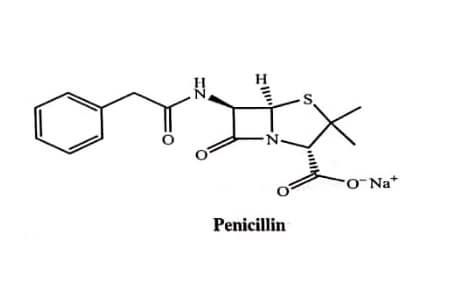
Penicillin

Drug Receptor Interactions – Introduction and Types

In molecular terms, the activity of drugs is initiated by their atomic level interaction with a receptor. Since the association of small molecules (e.g., drugs) with macromolecules (e.g., receptors) is promoted and stabilised by intermolecular interactions, an understanding of the nature of chemical bonds and intermolecular interactions is of great interest to the medicinal chemist.

Drug Receptor Interactions – Introduction and Types Read More »