Data Manipulation

Data Manipulation – Data Handling Instructions in PLC

Data manipulation instructions enable the PLCs to take on additional characteristics that are beyond the conventional relay equivalent instruction. It allows the movement, manipulation or storage of data in either single or multi-word groups from one data memory area of the PLC to another. Therefore, data manipulation can be divided into many categories Data transfer

Data Manipulation – Data Handling Instructions in PLC Read More »

Central Processing Unit (CPU)

Central Processing Unit (CPU) – Input and Output Modules

The “brain” of the system which has three sub-parts. Central Processing Unit (CPU) (i) Microprocessor: Microprocessor caries out mathematic and logical operations. (ii) Memory: The area of the CPU in which data and information is stored and retrieved. It holds the system software and user program. (iii) Power supply: The electrical supply that converts Alternating

Central Processing Unit (CPU) – Input and Output Modules Read More »

Numerically Controlled Machines

Numerically Controlled Machines for Tooling

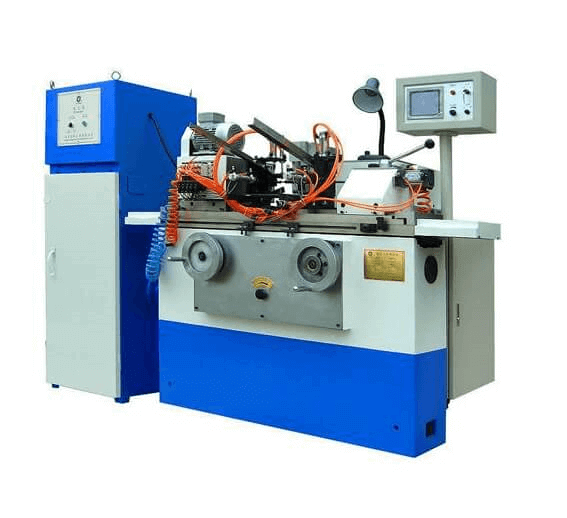
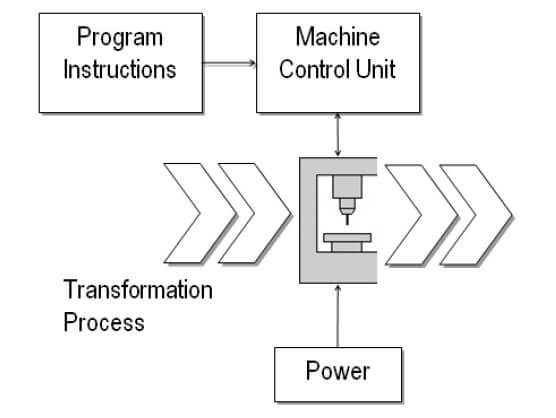
Conventional machines are controlled by human operators. The machine control involves feed movements, positioning and sequencing etc. Due to repeated operations and environmental influences, there is an uncertainty in the quality and reliability of parts produced. A numerically controlled machines tool is the one that is controlled by numbers. The instructions are coded as a

Numerically Controlled Machines for Tooling Read More »

Computer Aids

Computer Aids for Sheet Metal Forming Analysis

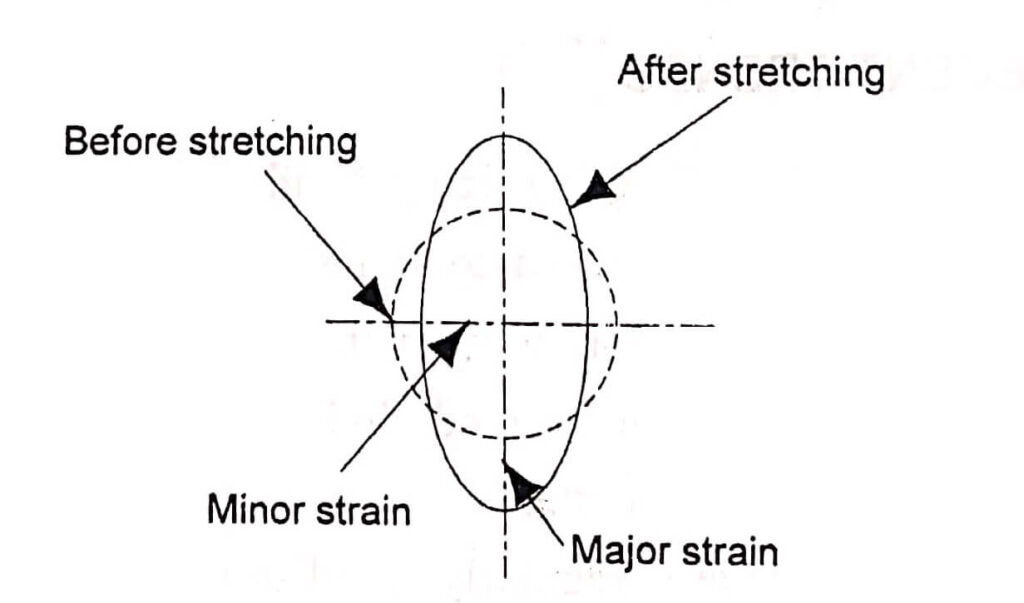
Sheet metal parts are characterized by its complicated shapes. Computer aids for Sheet metal forming operations are conducted close to the failure limit and therefore, small changes in conditions and properties of material can cause large changes in failure rates. Before deciding the forming process and tools, the tool designer has to determine whether the

Computer Aids for Sheet Metal Forming Analysis Read More »