October 2020

Optical Receiver Operation

Optical Receiver Operation – Fiber Communications

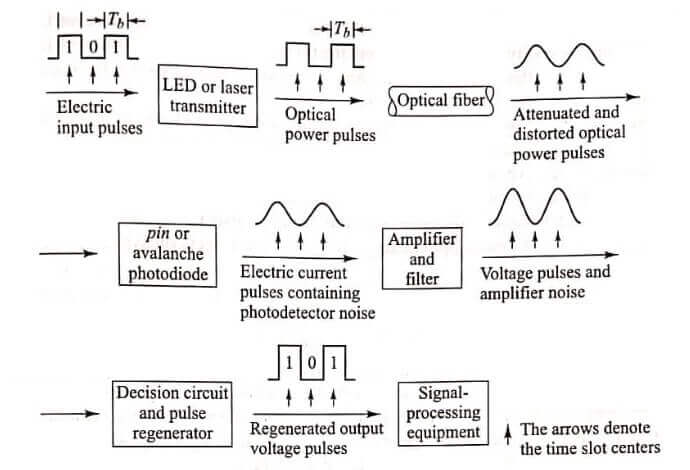
Optical Receiver Operation Having discussed the characteristics and operation of photodetectors in the previous chapter, we now turn our attention to the optical receiver operation. An optical receiver consists of a photodetector, an amplifier, and signal processing circuitry. The receiver has the task of first converting the optical energy emerging from the end of a

Optical Receiver Operation – Fiber Communications Read More »
Thermal Energy

Thermal Energy Based Process – Machining Process

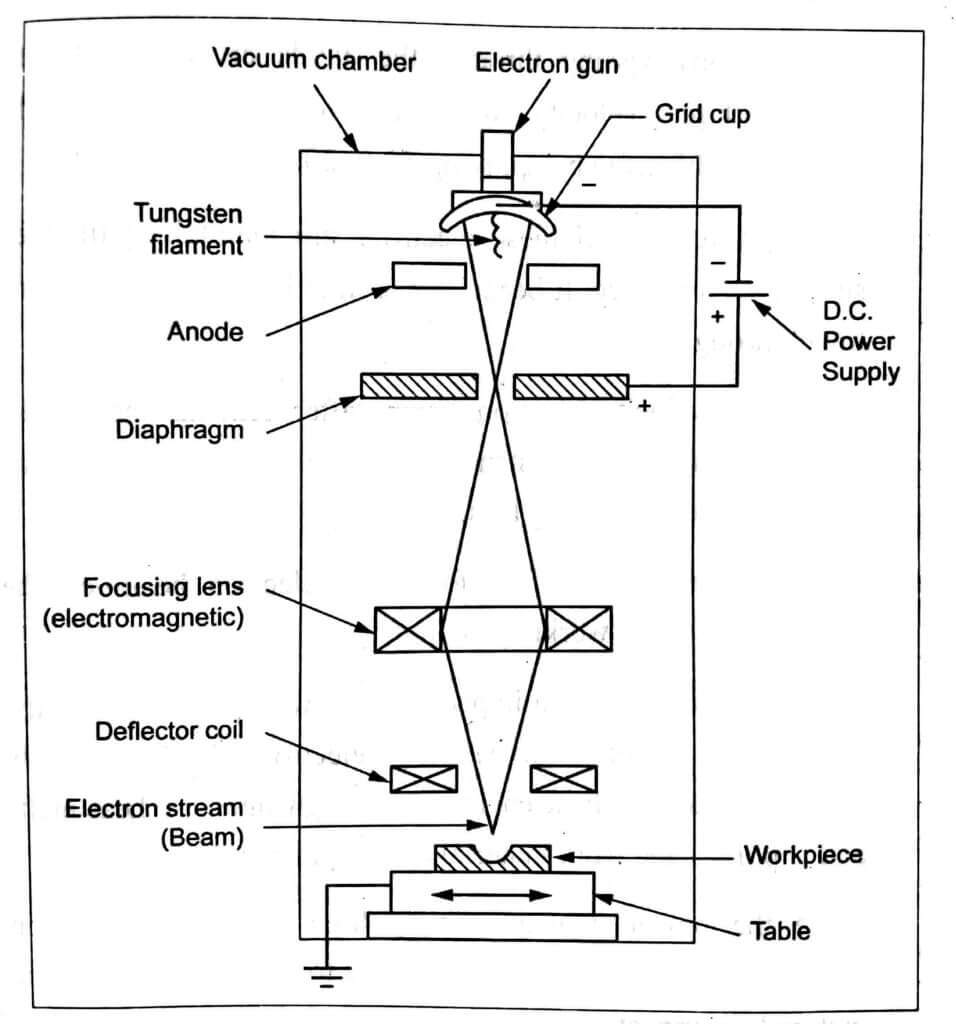
INTROCDUCTION to THERMAL ENERGY BASED PROCESSES      In these methods, Thermal energy based process heat energy is concentrated on a small area of the workpiece to melt and vaporize the tiny bits of work material. The required shape is obtained by the continued repetition of this process. Example: Electron Beam Machining (EBM) Laser Beam Machining

Thermal Energy Based Process – Machining Process Read More »

Chemical Machining Process

Chemical Machining Process (CHM) – Energy Based Process

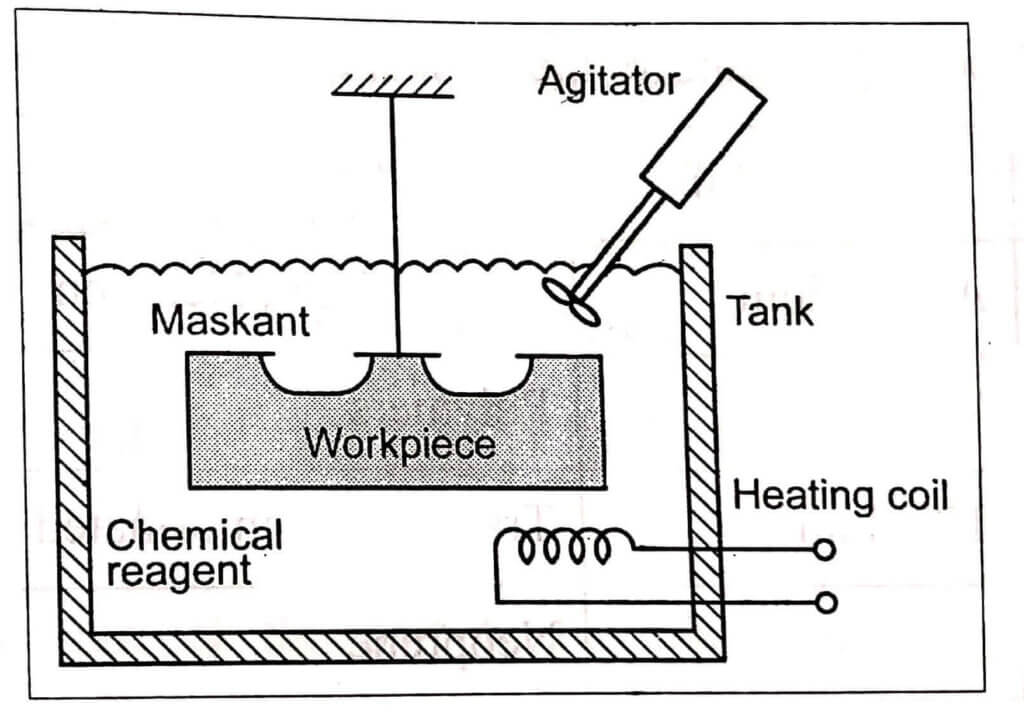
Introduction Chemical Machining Process (CHM) In chemical energy methods, Chemical Machining Process the metal is removed from the workpiece through controlled etching of the workpiece material in contact with a chemical solution. Example: Chemical Matching (CHM) In Electro chemical energy methods, material is removed by ion displacement of the workpiece material in contact with a

Chemical Machining Process (CHM) – Energy Based Process Read More »

Avalanche Photodiode

Avalanche Photodiode in Optical Fiber Communication

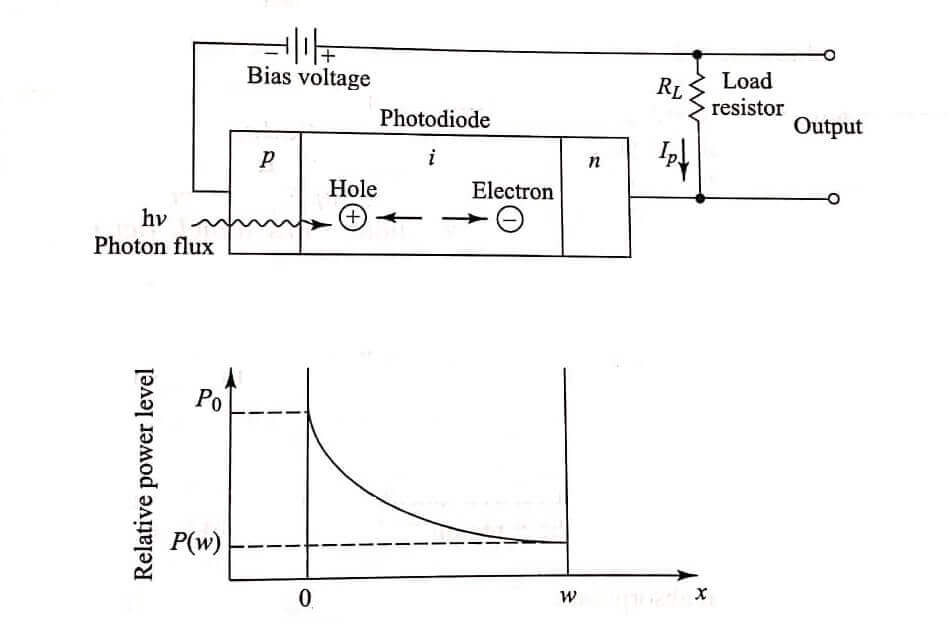
Introduction Avalanche Photodiode At the output end of an optical transmission line, avalanche photodiode there must be a receiving device which interprets the information contained in the optical signal. The first element of this receiver is a photodetector. The photodetector senses the luminescent power falling upon it and converts the variation of this optical power

Avalanche Photodiode in Optical Fiber Communication Read More »

what is resistance welding

What is Resistance Welding Processes – Pedagogy Zone

What is Resistance Welding In ancient times, metal welding was done in the form of forge resistance welding (metals heated up to melting point are pressed together) and brazing (weld using alloy of low melting point). FUNDAMENTALS OF RESISTANCE WELDING Resistance welding processes are pressure welding processes in which heavy current is passed for short

What is Resistance Welding Processes – Pedagogy Zone Read More »

Types of Welding and Welding Process Equipment

Types of Welding Fundamental principles, types of welding, Air Acetylene welding, Oxyacetylene welding, carbon arc welding, shielded metal arc welding, submerged arc welding, TIG & MIG welding. 1.Gas welding: (a) Air-acetylene welding (b) Oxy-acetylene welding (c) Oxy-hydrogen welding. 2. Arc welding: (a) Carbon arc welding (b) Plasma arc welding (c) Shield metal arc welding (d)

Types of Welding and Welding Process Equipment Read More »