October 2020

power system

Power System Operations and Control – Pedagogy Zone

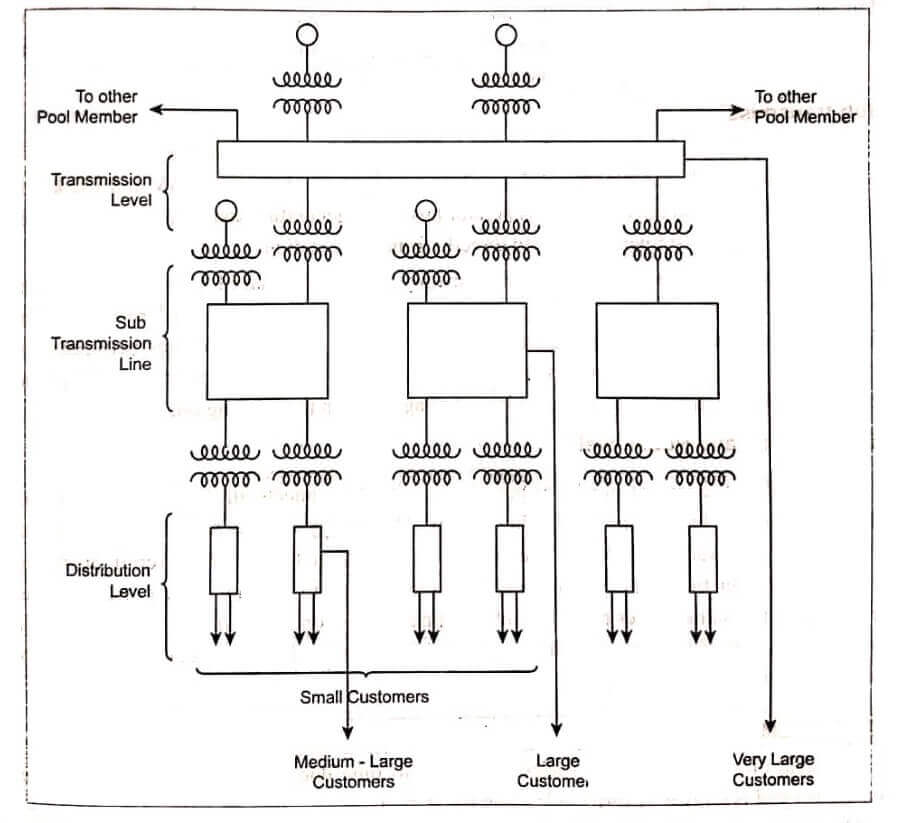
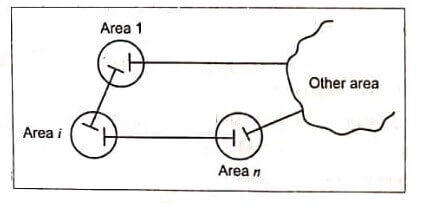
Introduction – Power System In general, each generating plans in any power system may have more than one generating unit. Each of the unit may have identical or different capacities. A number of power plants can be tied together to supply the system load by means of interconnection of the generating stations. Interconnected electric power

Power System Operations and Control – Pedagogy Zone Read More »

Locating and Clamping Principles

Locating and Clamping Principles – Jigs and Fixtures

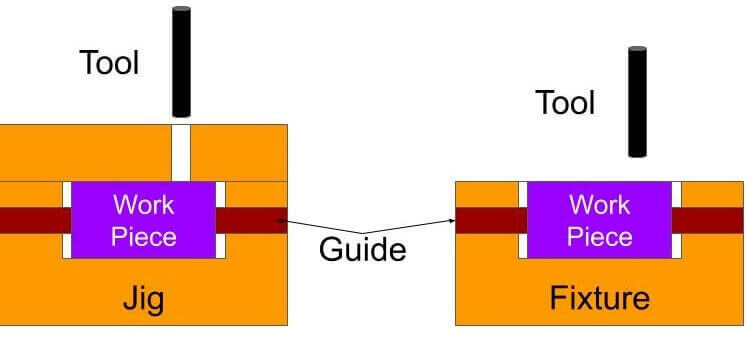
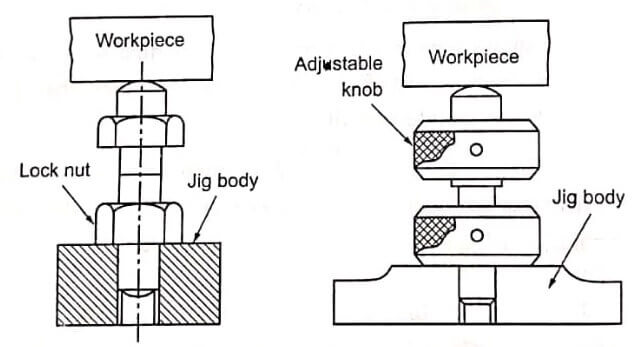
Jigs and Fixtures – Locating and Clamping Principles Jigs and fixtures are the devices which are mainly designed for holding, supporting and locating and clamping principles the workpieces and to guide the tools. By using “Jigs and Fixtures”, the cost of manufacture is reduced extensively. These devices are used to produce a repetitive type of

Locating and Clamping Principles – Jigs and Fixtures Read More »

WDM Wavelength Division Multiplexing

WDM Wavelength Division Multiplexing Concepts and Components

WDM – Wavelength Division Multiplexing A distinctive operational feature of an (WDM wavelength division multiplexing) optical fiber is that there is a wide spectral region in which optical signals can be transmitted efficiently. For full- spectrum fibers this region includes the O-band through the L-band, which ranges from about 1260 to 1675 nm. Since the

WDM Wavelength Division Multiplexing Concepts and Components Read More »

Linear System Design

Linear System Design Control Systems

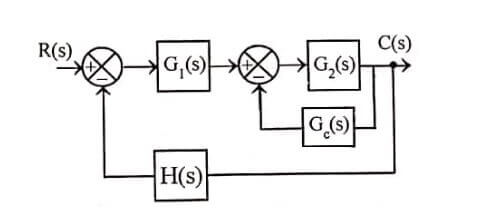
INTRODUCTION TO DESIGN USING COMPENSATORS – Linear System Design The control systems are designed to perform specific tasks in linear system design. The requirements of a control system are usually specified as performance specifications. The specifications are generally related to accuracy, relative stability and speed of response. In time domain, the transient state performance specifications

Linear System Design Control Systems Read More »