Computer Science

Specifying Constraints as Assertions and Actions as Triggers

In this section, we introduce two additional features of SQL: the CREATE ASSERTION statement and the CREATE TRIGGER statement. Before discusses CREATE ASSERTION, which can be used to specify additional types of constraints that are outside the scope of the built-in relational model constraints (primary and unique keys, entity integrity, and referential integrity) that we

Specifying Constraints as Assertions and Actions as Triggers Read More »

Additional Features of SQL

Additional Features of SQL – Pedagogy Zone

SQL has a number of additional features that we have not described in this chapter but that we discuss elsewhere in the book. These are as follows: we will present the following additional SQL features: various techniques for specifying complex retrieval queries, including nested queries, aggregate functions, grouping, joined tables, outer joins, and recursive queries;

Additional Features of SQL – Pedagogy Zone Read More »

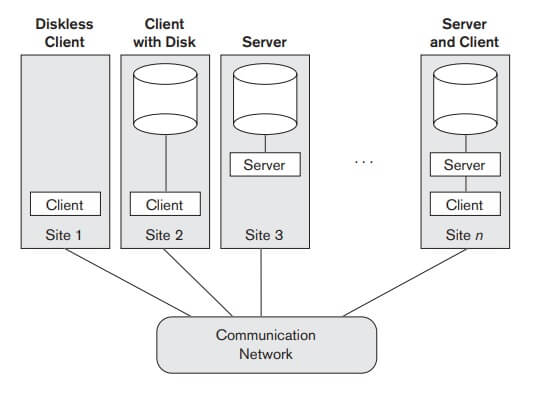
Physical two tier client server

Centralized and Client/Server Architectures for DBMSs

Centralized DBMSs Architecture Architectures for DBMSs have followed trends similar to those for general computer system architectures. Earlier architectures used mainframe computers to provide the main processing for all system functions, including user application programs and user interface programs, as well as all the DBMS functionality. The reason was that most users accessed such systems

Centralized and Client/Server Architectures for DBMSs Read More »