Santhakumar Raja

I am the founder of Pedagogy Zone, a dedicated education platform that provides reliable and up-to-date information on academic trends, learning resources, and educational developments.

Enzyme Immobilization

Applications of Enzyme Immobilization in Pharmacy

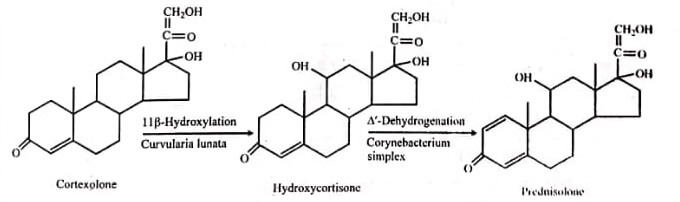
Immobilised enzymes are used in pharmaceutical industries for manufacturing drugs. These enzymes can be used for: Production of antibiotics, Production of steroids, Production of amino acids, Production of acids, Production of other organic compounds, and Analytical applications. Production of Antibiotics Immobilised enzymes are used for producing 6-amino penicillanic acid, penicillins, cephalosporins, etc. on a commercial

Applications of Enzyme Immobilization in Pharmacy Read More »

applications of biotechnology in pharmaceutical sciences

Applications of Biotechnology in Pharmaceutical Sciences

The pharmaceutical applications of biotechnology are: Medicine: Modern biotechnology finds promising applications in medicine as in: Drug Production: Most of the traditional pharmaceutical drugs used for treating the symptoms of a disease are simpler molecules found through trials and errors. Small molecules are manufactured chemically, but the larger ones are created by human cells, bacterial

Applications of Biotechnology in Pharmaceutical Sciences Read More »

Growth of Animal Cells in Culture

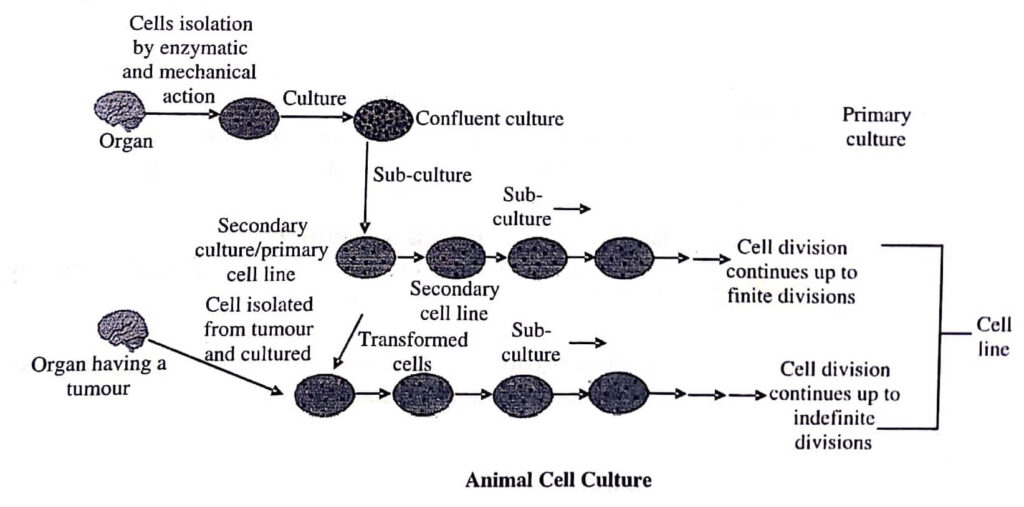
Animal cell culturing is more difficult than microbial culturing because animal cells demand more nutrients and should be attached to specially coated surfaces for their growth. Still there are various undifferentiated and differentiated animal cell types which have been cultured. The nine amino acids, known as the essential amino acids (histidine, isoleucine, leucine, lysine, methionine,

Growth of Animal Cells in Culture Read More »

Preservation of Pharmaceutical Products Using Antimicrobial Agents

Preservation of Pharmaceutical Products Using Antimicrobial Agents

Antimicrobial preservatives are added to non-sterile dosage forms to protect them from microbial growth or from microorganisms that are introduced inadvertently during or after the manufacturing process. Antimicrobial preservatives should be added if sterile articles are packaged in multiple-dose containers, thus they inhibit the growth of microorganisms introduced from repeated withdrawal of individual doses. Preservatives

Preservation of Pharmaceutical Products Using Antimicrobial Agents Read More »

Assessment of Microbial Contamination and Spoilage

Assessment of Microbial Contamination and Spoilage

Microbial contamination and spoilage are assessed by the following methods: Physical and Chemical Changes: Microbial contamination and spoilage in various pharmaceutical formulations can be identified by the physical and chemical changes (like change in viscosity, pH, emulsion stability, and loss of surface activity) occurring in it. Amount of oxygen consumed by the available product indicates

Assessment of Microbial Contamination and Spoilage Read More »

Standardisation of Amino Acids

Standardisation of Amino Acids – Pedagogy Zone

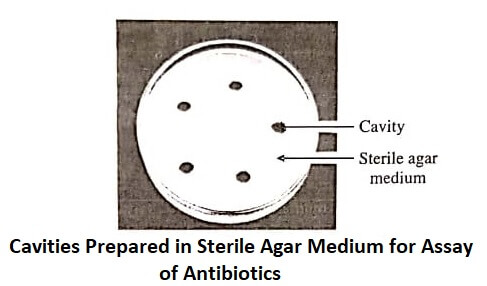
Microbiological assays were used for quantitation of amino acids since many years as they were the most reliable, and specific available tests. They can be used for any type of biological material; however sometimes they are affected by the activators or inhibitors present in the material being standardised. These inexpensive methods are used for analysing

Standardisation of Amino Acids – Pedagogy Zone Read More »