Chemistry

Anodized Aluminum or Anodized Steel

Is Anodized Aluminum or Anodized Steel Cheaper

When comparing the cost of anodized aluminum to anodized steel, anodized aluminum is generally cheaper. Here’s a breakdown of the reasons why: 1. Material Cost Aluminum is typically less expensive than steel, especially when considering the grades of metal that are commonly anodized. Aluminum is abundant, lightweight, and relatively easy to work with, which lowers

Is Anodized Aluminum or Anodized Steel Cheaper Read More »
A Balanced Chemical Reaction Obeys the Law of Responses

A Balanced Chemical Reaction Obeys the Law of Responses

Chemical reactions are fascinating processes that form the foundation of chemistry, where substances undergo changes to form new products. One of the most fundamental principles governing these reactions is the Law of Conservation of Mass. This law states that in a closed system, mass is neither created nor destroyed during a chemical reaction. In simpler

A Balanced Chemical Reaction Obeys the Law of Responses Read More »

Anthropology Biology and Chemistry

Is Anthropology, Biology, and Chemistry (ABC) a Good Major?

Choosing a major is one of the most critical decisions a student makes in their academic journey. For those interested in exploring the complexities of life from a multi-faceted perspective, the combination of Anthropology, Biology, and Chemistry—often referred to as the “ABC” major—offers an exciting, interdisciplinary pathway. But is this blend of subjects a good

Is Anthropology, Biology, and Chemistry (ABC) a Good Major? Read More »

Electrochemical Etching Stencils

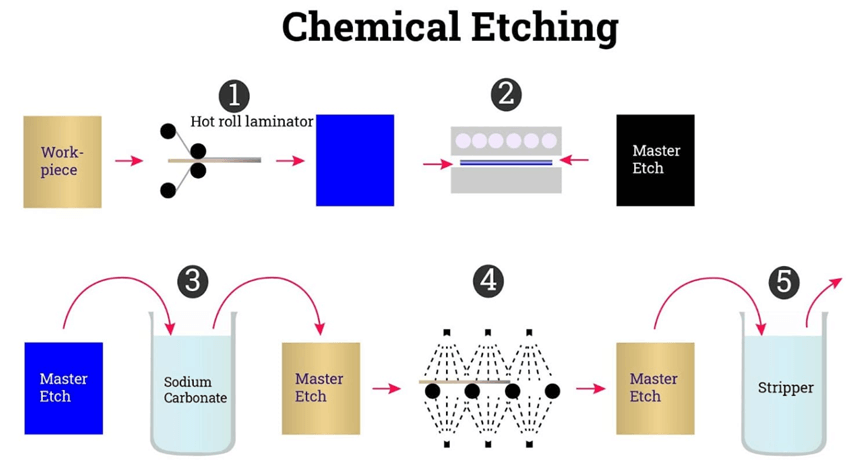
How to Make Electrochemical Etching Stencils

Creating electrochemical etching stencils is a crucial step in marking metal objects with logos, serial numbers, or other identifiers. These stencils guide the etching process, where electricity and electrolyte solutions remove metal selectively to create permanent marks. This blog post will cover how to make high-quality, durable stencils for electrochemical etching. Step-by-Step Guide to Making

How to Make Electrochemical Etching Stencils Read More »

Virtual Lab Electrochemical Cells

The Future of Learning Virtual Lab Electrochemical Cells

The world of education is evolving, and with it, the methods we use to teach complex subjects like chemistry are changing. The traditional lab experience is giving way to innovative digital approaches, and virtual labs are at the forefront of this transformation. When it comes to understanding electrochemical cells—a fundamental topic in chemistry—virtual labs provide

The Future of Learning Virtual Lab Electrochemical Cells Read More »

free 3d model electrochemical

How Free 3D Models are Transforming Electrochemical Simulations

Electrochemical simulations are a cornerstone of research in fields such as energy storage, fuel cells, and corrosion science. These simulations help scientists and engineers predict the behavior of electrochemical systems without the need for physical experiments, saving both time and resources. Traditionally, these simulations relied heavily on 2D models, which, while useful, often lacked the

How Free 3D Models are Transforming Electrochemical Simulations Read More »

Electrochemical Cell

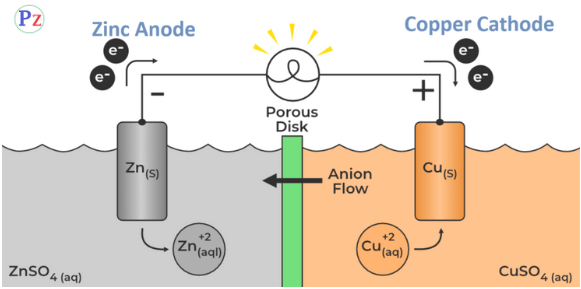
A Chemist Assembles the Following Electrochemical Cell

Electrochemical cells are a cornerstone of modern chemistry and physics. They are the devices that convert chemical energy into electrical energy, playing a crucial role in everything from batteries to large-scale industrial processes. But what happens when a chemist assembles an electrochemical cell? In this comprehensive guide, we will explore the assembly, components, working mechanism,

A Chemist Assembles the Following Electrochemical Cell Read More »

Nano Electrokinetic Assisted Paper Electrochemical Assay

Nano Electrokinetic Assisted Paper Electrochemical Assay

There has been a significant push towards developing portable, cost-effective, and highly sensitive diagnostic tools. One of the most promising technologies emerging in this field is the Nano Electrokinetic-Assisted Paper Electrochemical Assay. This innovative technique combines the principles of electrokinetic at the nanoscale with the simplicity of paper-based assays, revolutionizing the way we perform point-of-care

Nano Electrokinetic Assisted Paper Electrochemical Assay Read More »

Chemistry in Environmental

Chemistry in Environmental Studies Project Based Learning

Project-based learning (PBL) in environmental studies, particularly with a focus on chemistry, can be a transformative educational approach. By engaging students in real-world challenges, PBL not only deepens their understanding of chemical principles but also fosters a sense of responsibility toward the environment. Here’s a unique take on how to integrate chemistry into environmental studies

Chemistry in Environmental Studies Project Based Learning Read More »

Power of Natural Chemistry

The Power of Natural Chemistry: Transforming Everyday Life

[sc_fs_faq html=”true” headline=”h2″ img=”” question=”What is Natural Chemistry?” img_alt=”” css_class=””] Power of Natural chemistry refers to the study and use of chemical processes and substances that occur in nature. Unlike synthetic chemistry, which often involves man-made compounds, natural chemistry relies on the materials and reactions found in the natural world. This distinction is crucial, as

The Power of Natural Chemistry: Transforming Everyday Life Read More »